Record Spending and the $850 Million Gap in 2026 Midterms
The 2026 cycle is poised to be the most expensive in history, with Republican committees holding a massive financial edge despite Democratic advantages at the candidate level.
By Justin Brooks ·
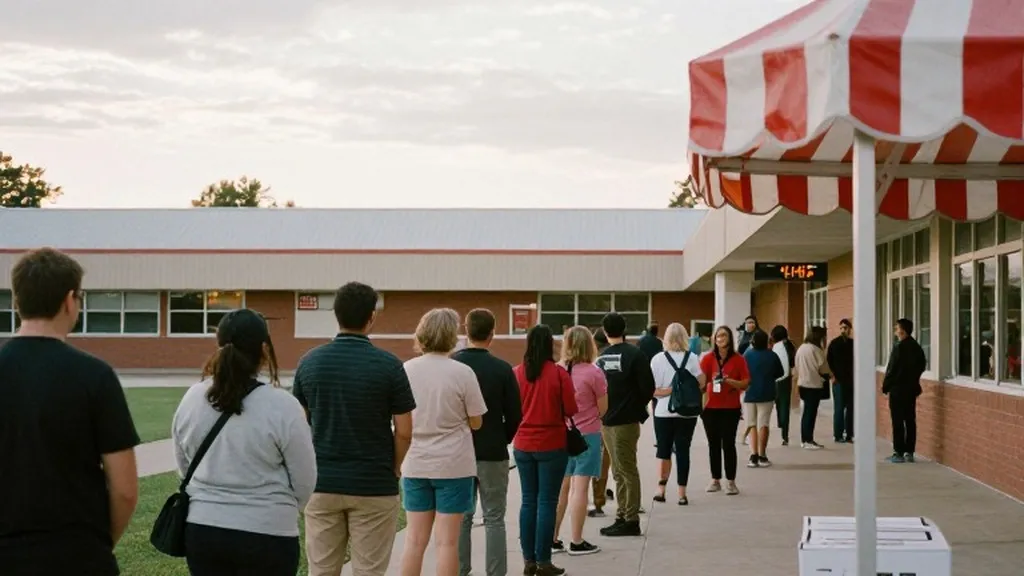
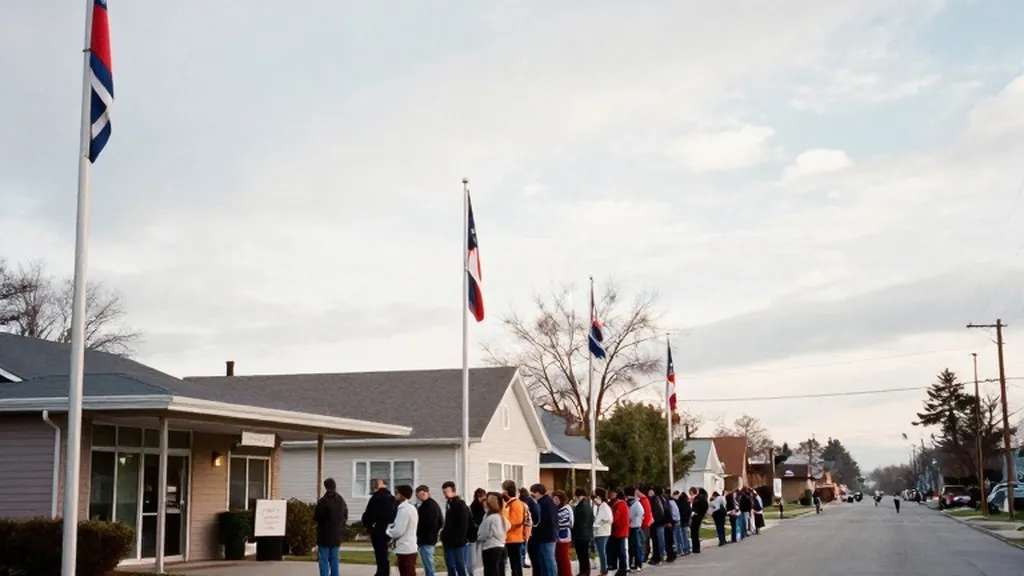
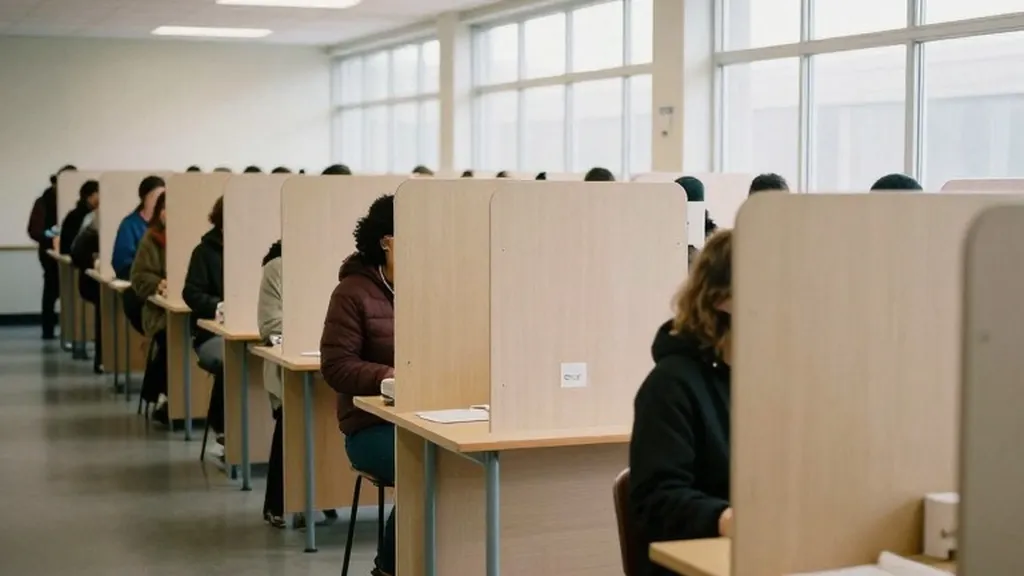
Voters across the United States are casting their ballots on Tuesday, November 3, 2026, in what analysts describe as the most expensive election in history. The financial scale of this midterm contest has become a defining feature of the campaign, with both parties deploying unprecedented resources to influence the outcome. The Associated Press reports that the total spending will likely surpass all previous records, reflecting the high stakes of determining which party controls Congress for the remainder of President Donald Trump's second term. This financial intensity underscores the urgency felt by both sides as they compete for the House, the Senate, and thirty-six governorships.
The money trail reveals a distinct asymmetry in how resources were raised and deployed. According to the Associated Press, Republican committees outraised and outspent their Democratic counterparts significantly. This committee-level advantage was bolstered by substantial contributions from groups affiliated with President Trump and notable private donors, including Elon Musk. These large-scale contributions allowed Republican committees to dominate the airwaves and fund extensive ground operations across multiple states. In contrast, Democratic committees faced a tighter financial environment, relying more heavily on smaller donor bases and targeted fundraising efforts to close the gap.
A striking disparity emerges when examining the specific allocation of television advertising dollars. The Associated Press analyzed data from AdImpact and found that 88.1 percent of Republican general election TV ad spending was directed toward states and districts that President Trump won in 2024. Within these areas, Republicans spent more than $850 million in regions where the president carried the state by ten points or more. This strategy suggests a focus on reinforcing support in solidly Republican territories rather than dividing resources evenly across all battlegrounds. The sheer volume of advertising in these areas indicates a belief that high visibility is necessary to maintain turnout and enthusiasm among the president's base.
Despite the committee-level disadvantage, Democrats held a different advantage at the candidate level. The Associated Press notes that individual Democratic candidates outraised their Republican opponents in many races. This suggests that while the party leadership and affiliated committees had less total cash, the specific candidates running for office were able to raise significant sums. This candidate-level funding edge may have allowed Democrats to run more competitive ads in tight districts and fund local get-out-the-vote efforts. The divergence between committee spending and candidate fundraising highlights a complex financial landscape where different parts of the party structure operated with different resource levels.
The financial dynamics intersect with broader political strategies involving redistricting. Six states, including California, Florida, Missouri, North Carolina, Tennessee, and Texas, are using new congressional maps this year. Ohio is also utilizing a new map. Republicans attempted to leverage these changes to secure a durable advantage, betting that the new boundaries would help them retain their majority. However, the Associated Press notes that the new districts in Florida and other states may not vote exactly as drawn, introducing an element of uncertainty. The massive spending by Republican committees in states Trump won previously may be a hedge against these shifting boundaries, ensuring that even if some districts flip, the overall partisan balance remains favorable.
For Democratic voters, the focus is often on the cost of living and health care, issues that have driven much of the narrative this cycle. The Associated Press describes the election as a referendum on the administration's performance, with many voters expressing frustration over high prices and an unpopular war with Iran. While the Republican financial edge is substantial, Democrats are relying on the anger of the electorate to offset the spending gap. The party's leadership, including House Democratic Leader Hakeem Jeffries, has outlined a agenda focused on oversight and the cost of living, aiming to connect the financial stakes of the election to the daily economic concerns of voters. The effectiveness of this message will be tested as poll numbers come in.
The presence of Elon Musk and other high-profile donors has added a layer of complexity to the financial landscape. The Associated Press notes that Trump-affiliated groups played a key role in the Republican fundraising surge. These groups often operate with fewer restrictions than traditional political committees, allowing for rapid deployment of funds. The influence of such wealthy backers has been a point of discussion among voters, with some expressing concern over the role of private money in the democratic process. For many Democrats, the sheer scale of the Republican spending serves as a rallying point, emphasizing the need for a unified front to counter what they view as an overwhelming financial advantage.
As polls open across the country, the battle for the House remains particularly intense. With 435 seats up for grabs, the Associated Press notes that Democrats need a net gain of three districts to take the majority, while Republicans can afford to lose only two. The 46 battleground districts identified by Ballotpedia will be the focal point of the final push. The financial resources deployed in these districts will be critical in determining the final tally. The high cost of this election cycle is not just a statistic but a reflection of the intense competition for control of the legislative branch, which will shape the final two years of the current administration.
In the Senate, 35 seats are up for election, including 33 regular races and two special elections. The Associated Press reports that Democrats need a net gain of four seats to achieve a majority. The financial edge of the Republican committees could be particularly impactful in the toss-up races, such as in Maine, Iowa, and Michigan. The Associated Press notes that economic strain and tariffs have made states like Maine competitive, and the advertising spend there will be closely watched. The outcome of these Senate races will determine whether the administration faces a unified government or a divided one, with significant implications for legislative gridlock and potential impeachment proceedings.