NC Polls Close as Cooper Leads in Senate Race Amid 3.5% Tax Cap Question
Voters in four counties faced delays, while the state decides on photo ID requirements and property tax limits.
By Justin Brooks ·
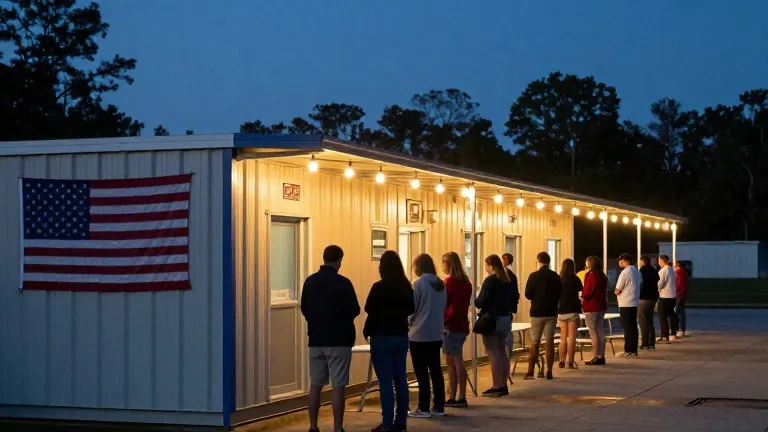
Polls in North Carolina closed at 7:30 p.m. on Tuesday, Nov. 3, for the 2026 midterm elections. Four counties kept their polling places open past that time due to operational delays. Voters who were already in line at the closing time retained the right to cast their ballots. Results from those delayed counties will be reported later in the evening.
The central contest in the state involves the U.S. Senate seat vacated by Rep. Thom Tillis. Former Governor Roy Cooper, a Democrat who served from 2017 to 2025, is running against Republican Michael Whatley. Whatley served as the Republican National Committee Chairman from 2024 to 2025. His campaign focused on supporting the agenda of President Trump. Cooper has held the lead in most recent polling data.
Two U.S. House seats in the state are also up for grabs. District 1 and District 11 are considered competitive races. In District 1, incumbent Democrat Don Davis faces Republican Laurie Buckhout. In District 11, Republican Jennifer Balkom will run against Democrat Jamie Ager. Balkom replaced Chuck Edwards, the sitting Republican, after he withdrew his reelection bid following a sexual harassment investigation.
North Carolina voters also face three statewide referendums. Each measure requires a vote on a proposed amendment to the state constitution. The first amendment proposes requiring photo identification from all voters, not just those voting in person. The second amendment seeks to cap the state income tax rate at 3.5%. The third amendment proposes placing limits on how much local governments can increase property taxes.
The national context for the vote involves the balance of power in the U.S. House. Republicans currently hold a narrow majority of 220 seats to 215 for Democrats. The results from North Carolina will contribute to the final count for the chamber.
Local ballots included races for judges, district attorneys, county sheriffs, and Board of Education members. The outcome of these positions will determine leadership in local judicial and administrative offices.
WBTV is tracking the results as they are reported. The data will reflect the votes cast in all counties once the delayed locations finalize their counts.
Source: WBTV