Voters Weigh Tariffs and Taxes in Key Midterm Battles
AP-NORC data shows 25% economic approval, driving turnout in Raleigh and Palm Beach as Democrats target the White House's cost-of-living record.
By Maya Morris ·
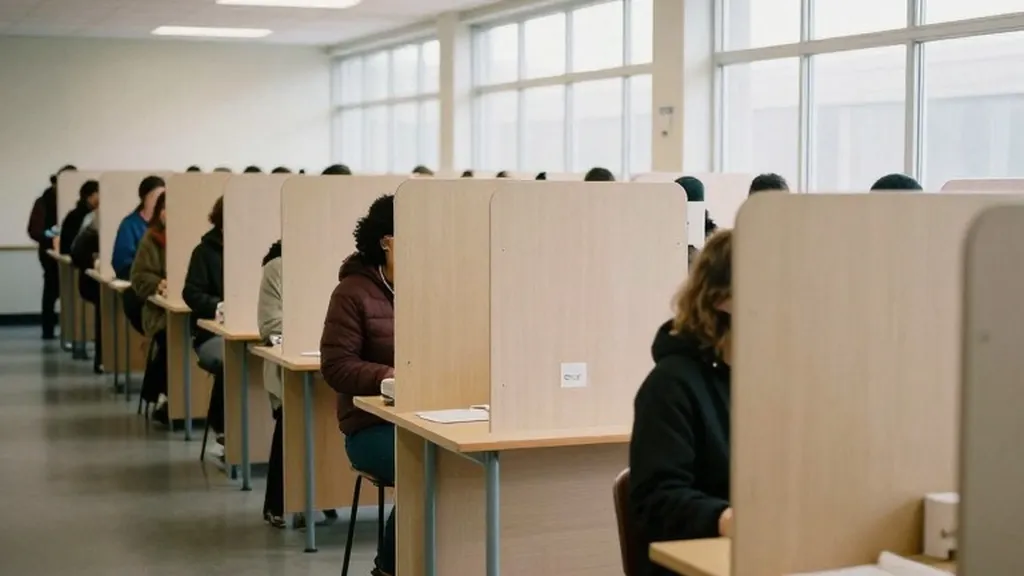
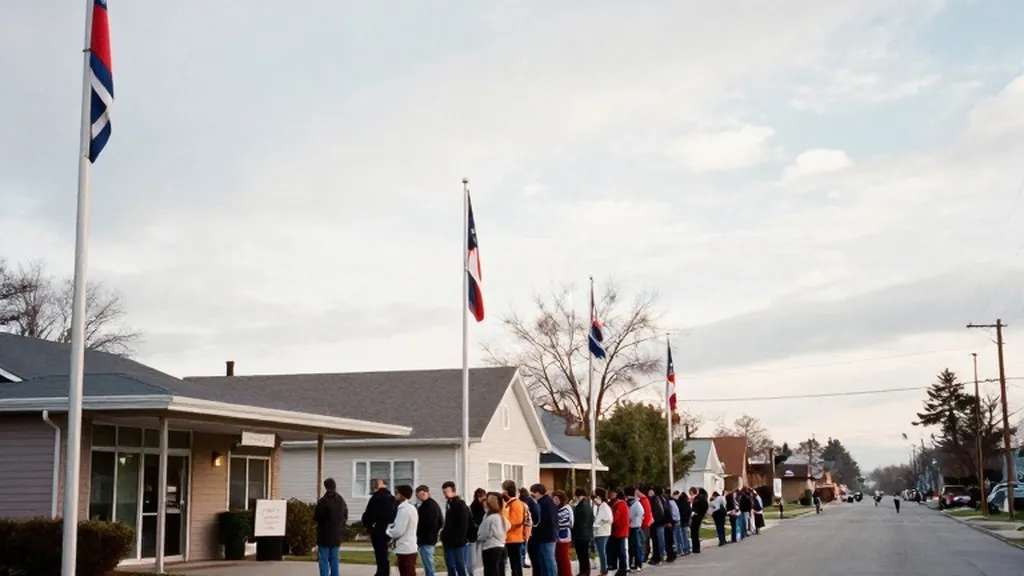
Voters across the United States are heading to the polls on Tuesday, November 3, 2026, to decide the balance of power in Congress. This midterm election occurs halfway through President Donald Trump's second term, and the results will determine which party controls the legislative agenda for his final two years. The stakes are high for both parties, with Republicans holding 218 House seats and Democrats holding 214. Democrats need a net gain of three districts to secure a majority, while Republicans can afford to lose no more than two seats.
The Associated Press describes the election as a referendum on the administration's performance, noting that voters are struggling with high prices and anger over an unpopular war with Iran. Recent AP-NORC polling indicates that only 25% of U.S. adults approve of the president's handling of the economy. Approximately 7 in 10 adults say the country is heading in the wrong direction, and most blame the president for high prices. This sentiment is driving the narrative in several closely watched states.
In Raleigh, North Carolina, James Moore, a 57-year-old librarian, articulated the financial strain felt by many voters. Moore stated that he is paying more taxes, more for healthcare, and more for everything. His comments reflect the broader concern about the cost of living that has dominated the campaign trail. North Carolina is considered a battleground state, with new congressional maps in play following mid-decade redistricting.
Contrastingly, in Palm Beach Gardens, Florida, voter Mark Barker expressed a different perspective. Barker said he has been following Trump the whole time and believes the president is doing an awesome job. Florida is another state using a new congressional map, and Republicans are working hard to hold their seats there. The state's governorship is also on the ballot, with a competitive race between Republican Attorney General and Democrat James Talarico in nearby Texas, though Florida's own race involves different candidates.
The economic mood is particularly tense in Maine, where the Associated Press notes that economic strain and tariffs have made the Senate race competitive. Senator Susan Collins, a Republican, is facing Democratic former state Senate President Troy Jackson. The race is currently a toss-up according to major political ratings. In Michigan, a similar dynamic is at play, with the seat held by retiring Senator Gary Peters now open. The state voted for the president by a slim margin of 1.4 points in 2024.
Republicans are bracing for the possibility of losing the House while fighting to hold the Senate. The Associated Press reports that one or two seats could tip either chamber. Republicans have relied on a significant financial advantage, with committees outraising and outspending their Democratic counterparts. This spending was bolstered by Trump-affiliated groups and Elon Musk. However, at the candidate level, Democrats managed to outraise their opponents, suggesting a more even financial fight on the ground.
The issue of tariffs has become a central theme for Democratic candidates, who argue that these trade policies are driving up prices for everyday Americans. In North Carolina, the retirement of Senator Thom Tillis has opened a seat that is considered a key battleground. The race is between Democratic former Governor Roy Cooper and former Republican National Committee chair Michael Whatley. The state's new district maps may influence the outcome of the House races as well.
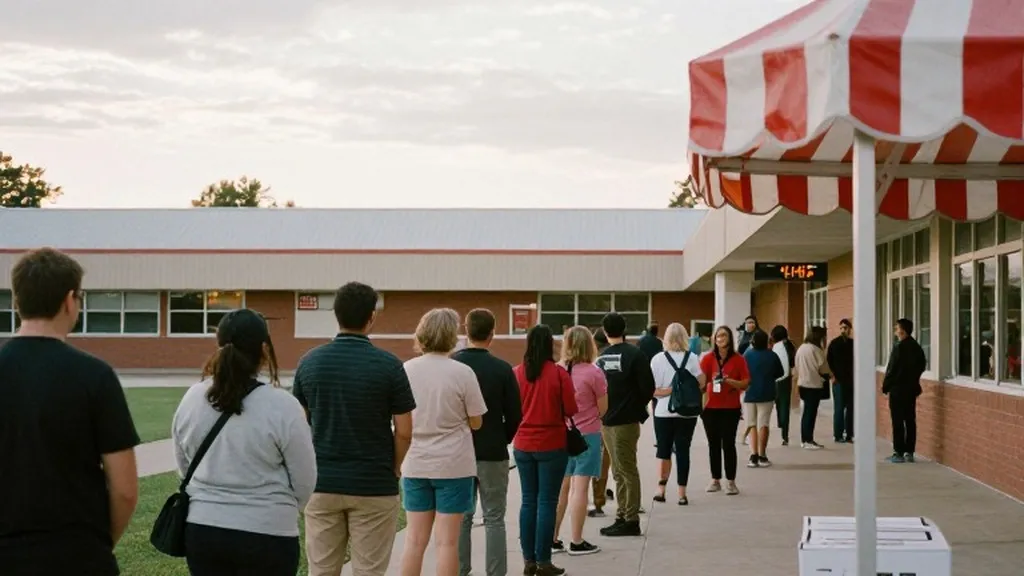
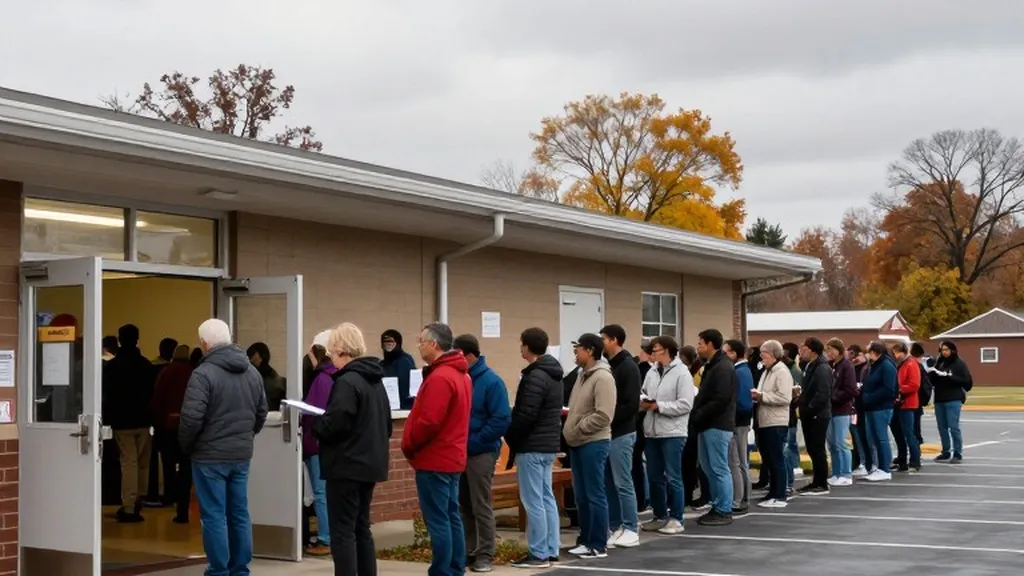
More than 57 million people had already voted as of Monday, surpassing the early vote totals from four years ago in many closely watched states. This surge in early voting suggests a high level of engagement among the electorate. The U.S. Postal Service added hours, staff, and special lines to ensure that mail ballots are counted on time, addressing concerns about delays in processing. These administrative efforts are critical in states where mail voting is a primary method of casting a ballot.
Democrats are cautiously optimistic about their chances, driven by the anger over the cost of living and the Iran war. House Democratic Leader Hakeem Jeffries has outlined a 100-day agenda focused on the cost of living and oversight of the administration. If Democrats win even one chamber, investigations and possible impeachment proceedings are likely to begin. This potential shift in power could also boost the prospects of potential 2028 candidates like Gavin Newsom and JB Pritzker.
The election also carries implications for the governorships, with 36 offices on the ballot. Democrats are hoping to hold a majority of governorships for the first time in two decades. In Kansas, a reliably Republican state, the Senate race has become central to the fight for control. The state is home to a key matchup that could influence the overall balance of power in the chamber. The results will provide a clear signal of the electorate's mood heading into the final two years of the current administration.