Democrats Win Sweeping Midterm Victory, Taking Control of Both Chambers of Congress
Voters rejected President Trump’s party in a historic wave that secured Democratic majorities in the House and Senate, alongside significant gains in state governments.
By Nicholas James ·
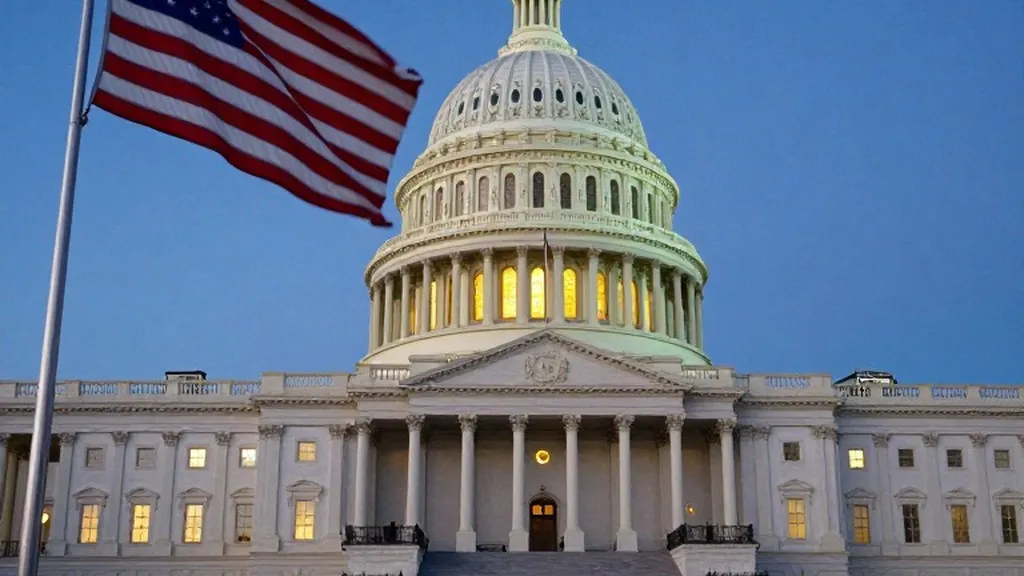
Democrats have secured a decisive victory in the 2026 midterm elections, taking control of both the U.S. House of Representatives and the U.S. Senate in a wave of support that swept across the nation. The results mark a fundamental reshaping of power in Washington, ending two years of unified Republican control and setting the stage for a divided government in which Congress is poised to reassert itself as a coequal branch. According to Ballotpedia, Democrats have won 233 seats in the House and 20 of the 35 Senate seats on the ballot, ensuring a majority in both chambers when the new Congress convenes on January 3, 2027.
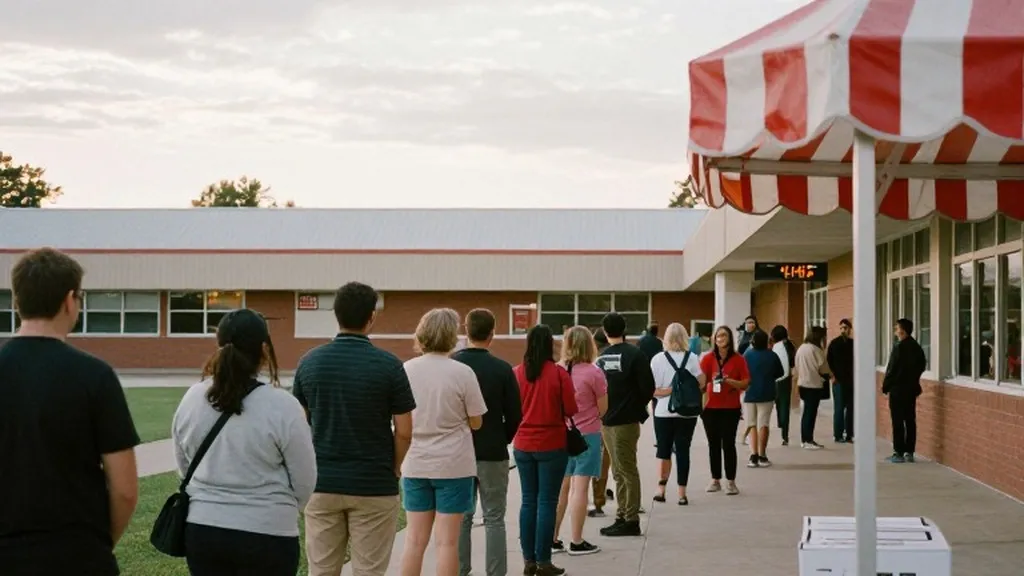
The Associated Press reported that the election served as a referendum on President Donald Trump’s second term, with voters expressing anger over high prices, the war in Iran, and perceptions of government corruption. The AP Voter Poll indicated that three-quarters of voters described the economy as not so good or poor, while about eight in ten said inflation had caused financial hardship for their households. This economic discontent, combined with frustration over the administration’s handling of the Iran conflict, drove a surge in Democratic turnout that overwhelmed Republican spending advantages.
House Democratic Leader Hakeem Jeffries of New York, who is expected to become the first Black Speaker of the House, addressed the victory by promising to deliver on the dramatic change voters demanded. He stated that the party would work hard to meet those expectations, focusing on a 100-day agenda that includes lowering the costs of gas, groceries, and other goods. The new majority also plans to reverse cuts to the Affordable Care Act and Medicaid, while launching a robust oversight agenda to hold the administration accountable, a goal emphasized by top committee leaders who signaled an immediate push for investigations.
In the Senate, the Democratic gains included historic wins in states that had not elected a Democratic senator in decades. Ballotpedia noted that seven seats changed party control, with Democrats picking up seats in Iowa, Kansas, Maine, North Carolina, Ohio, South Carolina, and Texas. These victories were critical to securing the chamber, as Democrats needed a net gain of four seats to win a majority. The results include the election of Abdul El-Sayed of Michigan, who became the first Muslim elected to the Senate, and other candidates who capitalized on voter dissatisfaction with the incumbent party.
The Democratic wave extended beyond Congress to state governments, where the party achieved its biggest single-election change in partisan power since 2010. In Texas, Democrats took control of the state House for the first time since 2002 and elected Gina Hinojosa as governor, the state’s first Democratic governor since 1994. Katie Owens Hubler of the National Conference of State Legislatures described the shift as a major turning point, noting that Democrats now hold full control of both legislative chambers and the governor’s office in at least five states where they previously shared power.
Republican efforts to maintain control through mid-decade redistricting largely failed, a strategy that had been urged by President Trump to help the party hold onto a slim House majority. Former Attorney General Eric Holder, chair of the National Democratic Redistricting Committee, stated that the Republican redistricting plan was systematically dismantled by voters who chose to elect a new Democratic majority. In states like Florida and Alabama, Democrats retained or gained seats despite district maps drawn to favor Republicans, demonstrating that the party’s assumed advantages did not withstand the shift in public opinion.
President Trump acknowledged the results with a conciliatory tone, suggesting he could work with the new Democratic Congress while also warning of potential gridlock. He threatened to use the power of the presidential veto to strike down the Democratic agenda, stating that he did not want to spend two years vetoing everything. Despite his comments, the AP Voter Poll suggested that the president’s presence was a drag on Republican candidates, with only four in ten voters approving of his handling of the presidency. Many losing Republican candidates cited the president’s focus on the war in Iran and other issues as factors in their defeats.
The election results also highlighted a significant shift among Latino voters, who moved away from Republicans in greater numbers compared to the 2024 presidential election. The AP Voter Poll indicated that about one-third of Hispanics backed the Republican candidate in their local House race, a drop from the roughly four in ten who voted for Trump two years ago. This demographic shift played a key role in the Democratic gains in the Rio Grande Valley in Texas, where incumbent Republicans were unseated in districts that had been reconfigured to favor their party.
With the new government set to begin in January, attention will turn to the implementation of Democratic priorities, including efforts to address the cost of living, expand access to healthcare, and rein in data center development. The pressure on the new majority is immediate, as voters who drove this wave expect tangible changes to their daily lives. Democratic officials have pledged to focus on kitchen-table issues, ensuring that the mandate for change translates into concrete policy actions that address economic opportunities and quality of life for middle-class families.
The final tally of the election underscores the depth of Republican losses and the scope of Democratic gains, creating a landscape where the new leadership in Congress will have the power to challenge the administration and reverse course on key policies. The results present a fundamental reshaping of power in Washington, with new opportunities for legislation and oversight. As the new Congress prepares to convene, the focus will remain on delivering the solutions that voters identified as crucial during the campaign, from tax relief to improved educational opportunities and healthcare access in rural areas.