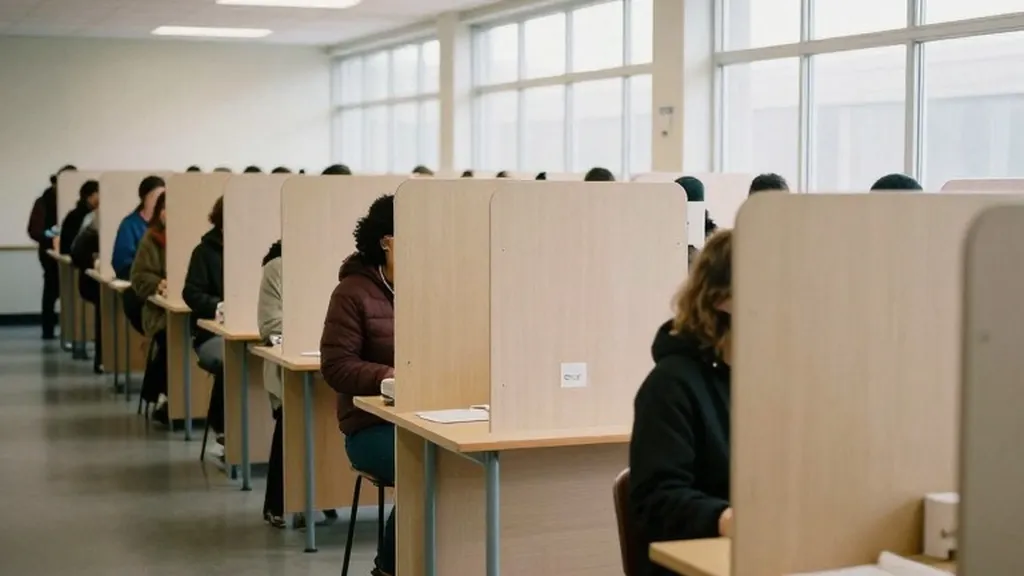
Voters Weigh Iran War and Prices in High-Stakes Midterms
With polls open, the conflict with Iran and rising costs have become central to the fight for control of Congress in this midterm election.
By Nicholas James ·
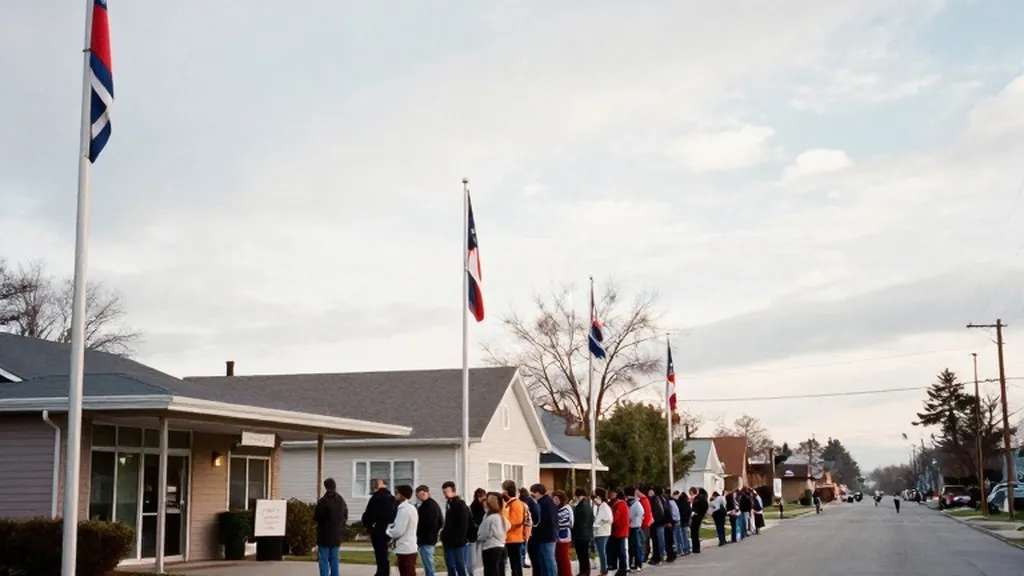
The war with Iran has emerged as a defining issue for voters heading to the polls on this election day, Tuesday, November 3, 2026. The Associated Press describes the current midterm contest as a direct referendum on President Donald Trump's second term, noting that citizens are struggling with high prices and expressing anger over an unpopular war. This conflict sits alongside economic concerns as voters decide who will control Congress for the final two years of the president's term. The stakes are high, with all 435 House seats and 35 Senate seats up for grabs, and the outcome will determine whether the president's party retains its grip on legislative power.
Polling data from the AP-NORC survey indicates a challenging environment for the administration. Only 35 percent of U.S. adults approve of Trump's job performance, while 25 percent approve of his handling of the economy. About seven in 10 people say the country is heading in the wrong direction, with most blaming the president for high prices. The Iran war has intensified these feelings, with many voters viewing the conflict as a drain on resources and a source of political instability. This sentiment is particularly strong among Democrats, who are hoping to capitalize on the discontent to retake at least one chamber of Congress.
Democrats need a net gain of three districts in the House to secure a majority, while Republicans can afford to lose no more than two seats. In the Senate, Democrats require a net gain of four seats to take control, whereas Republicans can lose only two. Ballotpedia identifies 46 battleground districts in the House, with 25 held by Democrats and 21 by Republicans. The map is complex, with 21 Democratic-held districts that voted for Trump in 2024 and nine Republican-held districts that voted for Kamala Harris. These shifting allegiances suggest that party lines are less rigid than in previous cycles, making the outcome of the Iran war and its economic impact a critical variable in these close races.
The Senate race is equally tight, with 13 battlegrounds identified by Ballotpedia. Key contests include the races in Maine, Georgia, and Michigan. In Maine, Senator Susan Collins faces Democratic former state Senate President Troy Jackson, with the AP noting that economic strain and tariffs have made the state competitive. In Georgia, Senator Jon Ossoff is challenging Republican Representative Mike Collins. These races are not just about local politics but also about national direction, particularly regarding foreign policy and economic management. The result in these states could tip the balance of power in the upper chamber.
Financial resources are playing a significant role in shaping the election landscape. The 2026 elections are likely to be the most expensive in history, with Republican committees outraising and outspending their Democratic counterparts. This advantage is bolstered by Trump-affiliated groups and support from Elon Musk. However, at the candidate level, Democrats have managed to outraise their opponents. According to AP analysis of AdImpact data, 88.1 percent of Republican general election TV ad spending has gone to states and districts Trump won in 2024. This strategic allocation reflects the party's effort to protect its base while attempting to flip key districts where the war and cost of living have resonated with voters.
Redistricting has also altered the political map, with six states using new congressional maps after mid-decade changes. California, Florida, Missouri, North Carolina, Tennessee, and Texas are all operating under new boundaries, with Ohio also using a new map. These changes were intended to favor Republicans, but the AP notes that new districts in Florida and elsewhere may not vote as drawn. The dynamic between the Iran war and economic pressures may override the structural advantages gained through redistricting. Voters in these new districts are particularly focused on how the conflict affects their daily lives, from energy costs to overall inflation.
The mood on the ground is one of cautious optimism for Democrats, who are bracing for a fight to hold the Senate while aiming to take the House. Republican leadership, including RNC Chairman Joe Gruters, emphasizes turnout as the key to victory. "Everything depends on turnout. If we turn out our voters, we win, and that's what we've been planning for," Gruters stated. In contrast, DCCC Chair Rep. Suzan DelBene highlighted the anger of the American people, saying, "The American people are angry. They want change." These statements reflect the divergent strategies of the two parties as they compete for the hearts and minds of voters influenced by the war and the economy.
Voters like James Moore, a 57-year-old librarian in Raleigh, North Carolina, articulate the personal impact of the current political climate. Moore noted, "I'm paying more taxes. I'm paying more for my healthcare. I'm paying more for everything." This sentiment is echoed across the country, with many citizens feeling the pinch of rising costs exacerbated by the war with Iran. The conflict has added a layer of urgency to the election, as voters seek a government that can manage both domestic and international challenges effectively. The result of this election could lead to increased oversight and potential impeachment proceedings if Democrats gain control of either chamber.
Election administration has also been a point of contention, with legal challenges affecting how votes are counted. A federal judge temporarily barred the Trump administration from implementing a plan to prevent noncitizen voting, a move critics argued risked disenfranchising eligible voters. Another judge ordered the administration to stop demanding that California election officials segregate ballots cast by people on lists of suspected noncitizens. These legal battles have raised concerns about the integrity of the process, with Democrats fearing interference and intimidation. The U.S. Postal Service has added hours and staff to ensure mail ballots are counted on time, underscoring the importance of accurate and timely results in a closely contested election.