57 Million Votes Cast: Democrats Bet on Anger, Republicans on Turnout
As polls open, both parties are focused on mobilizing their base to secure control of Congress in a highly contested midterm.
By Maya Morris ·
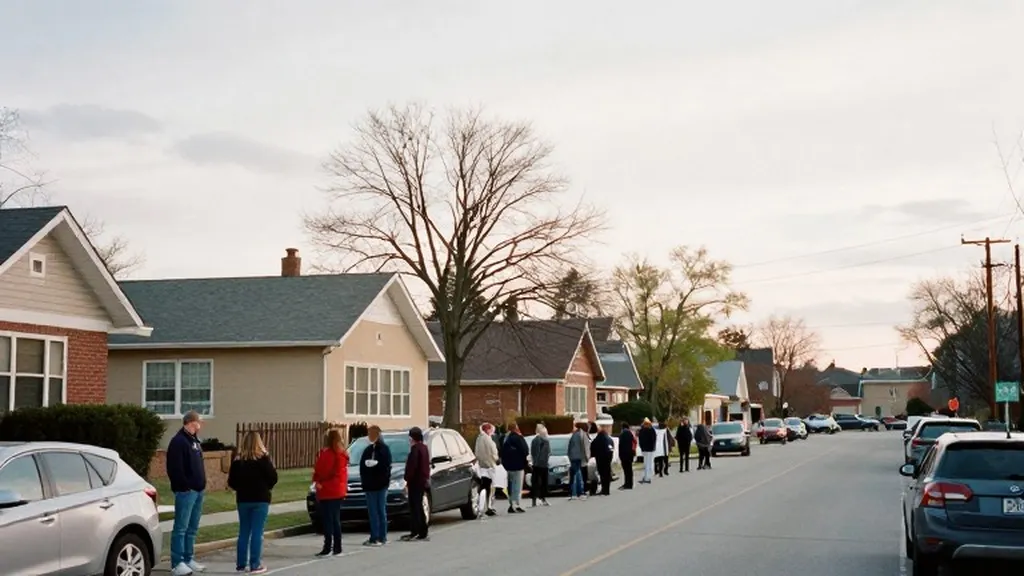
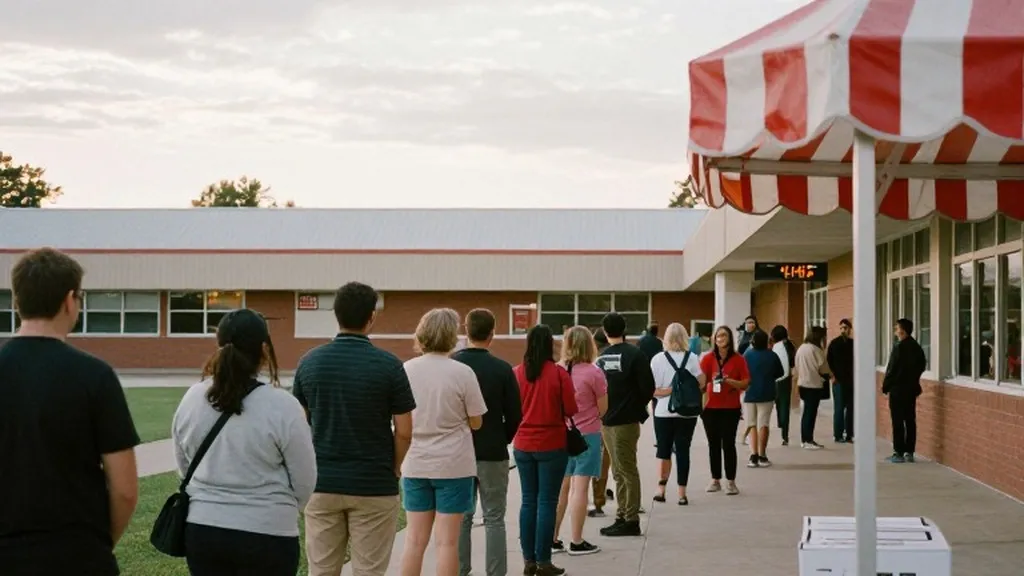
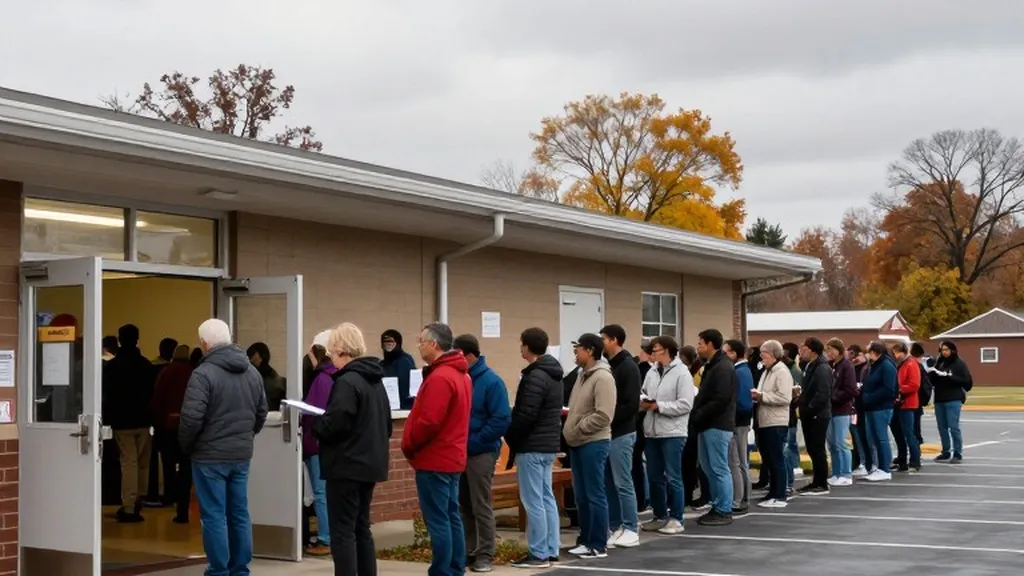
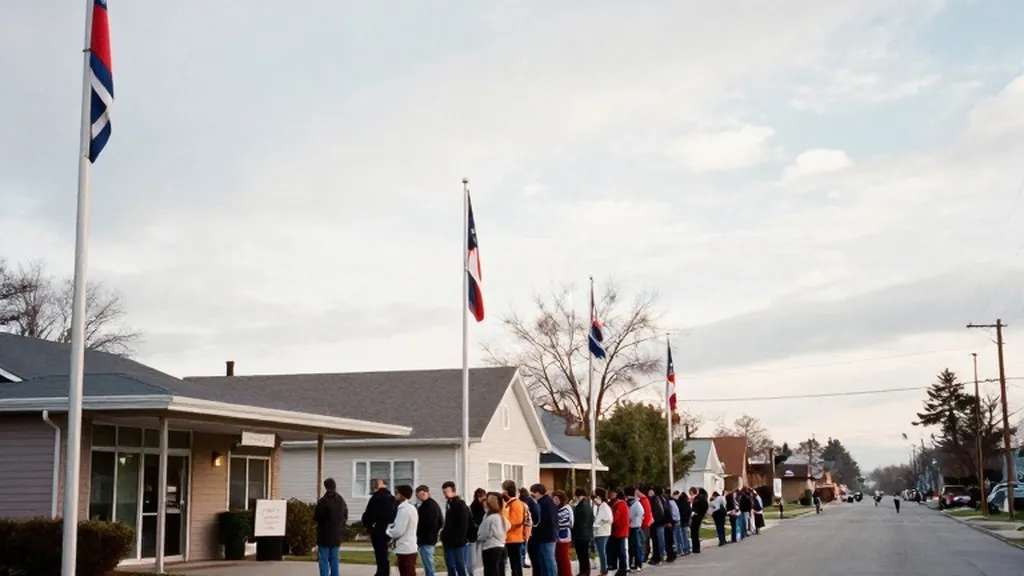
More than 57 million Americans had already cast their ballots as of Monday, surpassing early voting totals from the previous cycle in many closely watched states, according to the Associated Press. This surge in early participation has set the stage for a decisive Tuesday, where the final hours of polling will determine which party controls the House and Senate for the remainder of President Donald Trump's second term. The Associated Press describes the election as a referendum on the administration, with voters grappling with high prices and an unpopular war with Iran. Both parties are now turning their full attention to the ground game, hoping to convert early momentum into a legislative majority.
Democratic leaders are leaning heavily on the economic frustrations of the average American. Rep. Suzan DelBene, chair of the Democratic Congressional Campaign Committee, stated that the American people are angry and want change. This sentiment is echoed in polling data from the Associated Press and NORC, which found that 35 percent of U.S. adults approve of President Trump's job performance, while only 25 percent approve of his handling of the economy. About seven in ten adults say the country is heading in the wrong direction, and most blame the president for the current high prices. Democrats are betting that this discontent will drive their base to the polls in sufficient numbers to flip the House.
On the other side of the aisle, Republican strategists are focused on the sheer volume of voters. RNC Chairman Joe Gruters emphasized that everything depends on turnout, asserting that if the party turns out its voters, they will win. Gruters noted that this has been the central focus of their planning. The Republican strategy relies on the fact that they can lose no more than two House seats to maintain their majority. With 218 seats currently held by Republicans, the party is bracing for a potential loss in the lower chamber but is fighting to hold the Senate, where they need to lose only two seats to keep control.
The ground game in this election is being played against a backdrop of significant financial disparity. The 2026 elections are likely to be the most expensive in history, with Republican committees out-raising and out-spending their Democratic counterparts. This advantage is largely driven by Trump-affiliated groups and support from Elon Musk. An analysis by the Associated Press of AdImpact data shows that 88.1 percent of Republican general election television ad spending went to states and districts that Trump won in 2024. This includes more than $850 million spent in districts where he won by 10 points or more, a strategy aimed at protecting the party's existing base.
However, the Democratic machine has found a counter-strategy at the candidate level, where they have out-raised their opponents. This allows local campaigns to maintain a strong presence in swing districts and states. The Associated Press notes that Democrats are cautiously optimistic, pointing to the fact that 21 districts currently held by Democrats voted for President Trump in 2024. These districts are seen as potential targets for expansion. Conversely, nine Republican-held districts voted for Kamala Harris, presenting opportunities for Democratic gains in areas that previously leaned Republican.
Redistricting has also played a pivotal role in shaping the current landscape. Six states, including California, Florida, Missouri, North Carolina, Tennessee, and Texas, along with Ohio, are using new congressional maps following mid-decade redistricting. While Republicans hoped to use these new districts to beat the typical midterm pattern of the president's party losing seats, the Associated Press notes that the new districts in Florida and elsewhere may not vote as originally drawn. This uncertainty adds a layer of complexity to the election, making the final tally of House seats particularly difficult to predict until all polls close.
Voter sentiment is further complicated by administrative battles over who is eligible to vote. A federal judge temporarily barred the Trump administration from carrying out a plan to prevent noncitizen voting, a move that critics say risks disenfranchising eligible voters. Additionally, a judge ordered the administration to stop demanding that California election officials segregate ballots cast by people on lists of suspected noncitizens. These legal maneuvers have heightened tensions, with Democrats fearing interference and intimidation as the Justice Department threatens to prosecute local election officials. The U.S. Postal Service has added hours, staff, and special lines to ensure mail ballots are counted on time, underscoring the logistical challenges of this election day.
In key battleground states, the stakes are high for both chambers. In Georgia, Democratic Senator Jon Ossoff is facing Republican Representative Mike Collins in a race the Associated Press rates as leaning Democratic. In Michigan, a toss-up or lean Democratic race pits Republican former Representative Mike Rogers against Democrat Abdul El-Sayed. The Associated Press reports that economic strain and tariffs have made Maine competitive, where Senator Susan Collins is facing Democrat Troy Jackson. These races, among 13 Senate battlegrounds, will be crucial in determining whether Democrats can achieve the net gain of four seats required for a majority.
Governor races also hold significant weight, with 36 governorships up for election. Democrats are defending five governorships in states that Trump won in 2024, including Arizona, Kansas, Michigan, Pennsylvania, and Wisconsin. Republicans are defending two in states that Harris won: New Hampshire and Vermont. The Associated Press identifies Texas, Florida, and Iowa as competitive governor races. A majority of governorships has been held by Republicans since 2010, and Democrats hope to hold a majority for the first time in two decades. These races will influence the balance of power in state legislatures and affect future congressional maps.