Smotrich's 40-Settlement Plan Hits Naqab as Israel Votes
Finance Minister Bezalel Smotrich proposes adding one million residents to the Naqab and north, complicating the choice for 20% of Israeli voters.
By Maya Morris ·
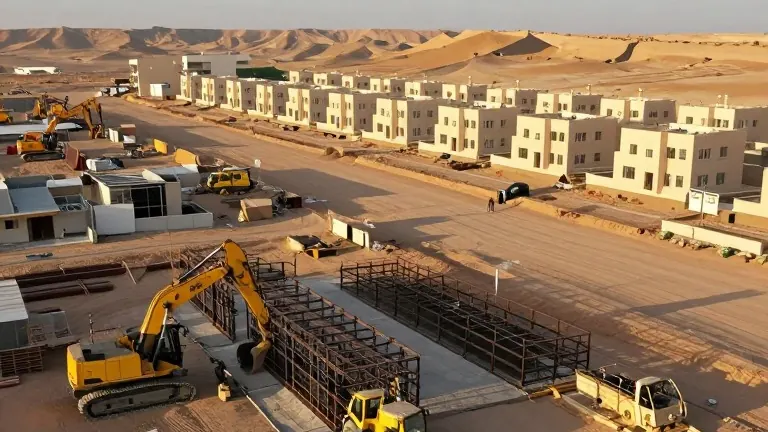
Israeli citizens cast ballots on Tuesday, October 27, in a contest primarily framed as a choice between Prime Minister Benjamin Netanyahu and opposition leader Gadi Eisenkot. For the two million Palestinian citizens of Israel, however, the election presents a different financial and political calculation. They constitute 20 percent of the population but face a political environment that has shifted sharply to the far right.
The central economic driver of this shift is a settlement plan unveiled in August by Finance Minister Bezalel Smotrich. The proposal aims to add one million Jewish residents to the Naqab and northern Israel. To achieve this density, the plan calls for the construction of 40 new settlements and dozens of farms, alongside the expansion of existing communities and the creation of hundreds of thousands of new housing units.
The strategy extends the model of territorial control currently used in the West Bank into areas where Palestinian communities are concentrated. This expansion follows a process described as recolonisation that began in mixed cities like Jaffa and Lydd in 2021. Since October 2023, the pace of land seizure and settlement growth has accelerated, directly impacting the property values and living conditions of local residents.
Security costs and policing structures are also changing. National Security Minister Itamar Ben-Gvir has issued 300,000 gun licences since taking office. The government is also integrating settler security squads into the broader security framework and developing a new National Guard. This force, prompted by the 2021 Dignity Uprising, is expected to play a larger role in policing Palestinian towns and villages.
The voting dilemma is compounded by the track record of the United Arab List, or Ra’am, led by Mansour Abbas. The party joined the coalition government formed after the 2021 elections, which excluded Netanyahu. However, the alliance failed to implement structural changes for Palestinian citizens. In 2022, Ra’am member Mazen Ghnaim publicly stated that he could not push through beneficial policies despite his party’s position in the ruling coalition.
The opposition bloc does not currently offer a clear prospect of reversing these policies. The cultural and political shift toward the far right is embedded in social attitudes beyond the immediate government leadership. For many Palestinian voters, the decision is whether to support the anti-Netanyahu camp to slow the pace of change or abstain from a system that has not delivered substantive equality since citizenship was granted in 1952.
The election outcome will determine the next four years of fiscal policy regarding settlements and security. The 40-settlement plan in the Naqab serves as the primary marker of the far-right agenda that Palestinian citizens must weigh against the risks of continued Netanyahu rule.
Source: Al Jazeera