Netanyahu urges Trump to launch strikes on Iran after midterms
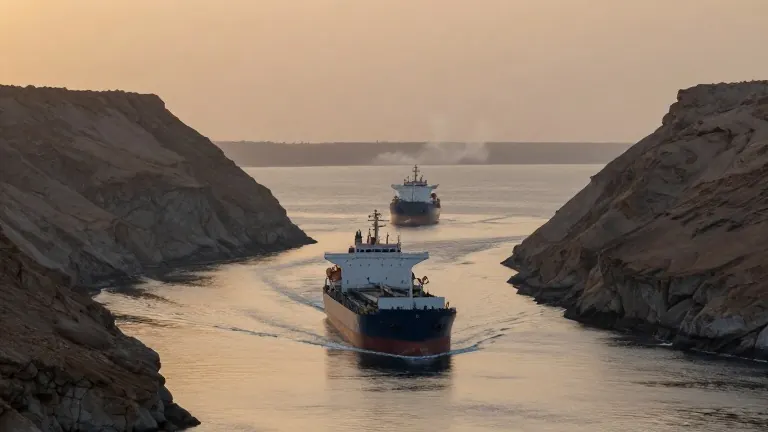
The Israeli leader seeks a quick air campaign to consolidate power, while Qatari mediators push for a deal to end the Strait of Hormuz conflict.
By Maya Morris ·

Israeli Prime Minister Benjamin Netanyahu is pressing U.S. President Donald Trump to approve a new wave of strikes on Iran following the American midterm elections.
According to two regional officials and a third person familiar with the matter, Netanyahu believes a return to full-scale war could help him form an emergency government. He lost his parliamentary majority in Israel’s elections last week. The officials noted that Trump has recently oscillated between threatening major military action and seeking a diplomatic resolution.
Diplomatic efforts have advanced in recent weeks. Qatari mediators held two rounds of talks with Iranian officials last week. They are attempting to establish a framework for Iran to cease attacks in the Strait of Hormuz in exchange for the United States lifting its blockade of Iranian ports. Additional talks are scheduled for this week. The two officials spoke on condition of anonymity because they were discussing classified briefings from American and Israeli leaders.
One official stated that Netanyahu is working with senior U.S. administration officials to persuade Trump to launch a quick but extensive air campaign. The president has not yet made a decision. During a call over the weekend, Netanyahu pressed for strikes, but Trump did not commit to military action, according to a person briefed on the conversation. Other U.S. allies in the Middle East warn against further strikes. They argue that new attacks could destabilize the region and prompt Iran-allied Houthi rebels in Yemen to increase attacks on Saudi Arabia and Red Sea shipping. Iran-backed militias in Iraq could also become involved.
Trump told reporters on Sunday that he had a “very good” call with Netanyahu the day before. He said they discussed Iran but provided no details. Secretary of State Marco Rubio told reporters on Saturday that the Trump administration prefers a diplomatic solution. “He hasn’t made a decision,” Rubio said of Trump. He added that the president has “incredible confidence” in military action if required.
Iranian officials say they are prepared for both war and diplomacy. Supreme Leader Ayatollah Mojtaba Khamenei met with military chiefs and urged an immediate response to any threat from the U.S. or Israel without geographic limits. He called for an expansion of the list of potential targets. Iran’s security chief Mohsen Rezaei told state television that the tone from the U.S. has “completely changed,” which he called a very good sign. He noted he had not responded to a letter received from U.S. Vice President JD Vance.
The United Arab Emirates presidential adviser Anwar Gargash told attendees at the Manama Dialogue in Bahrain that the U.S. and Iranian stances are far apart. He warned that if positions are not bridged, the region must worry about the worst. Egypt’s Foreign Minister Badr Abdelatty said the next escalation will be more dangerous and destructive. China announced it will send a special envoy to Iran, Oman, and Saudi Arabia in early to mid-November to promote dialogue.
Source: Main Line Media News