640,000 First-Time Israelis Could Claim 12 Knesset Seats Tuesday
Polls indicate high turnout among voters aged 18 to 22, a demographic that may shift the balance of power in the 120-member legislature.
By Nicholas James ·
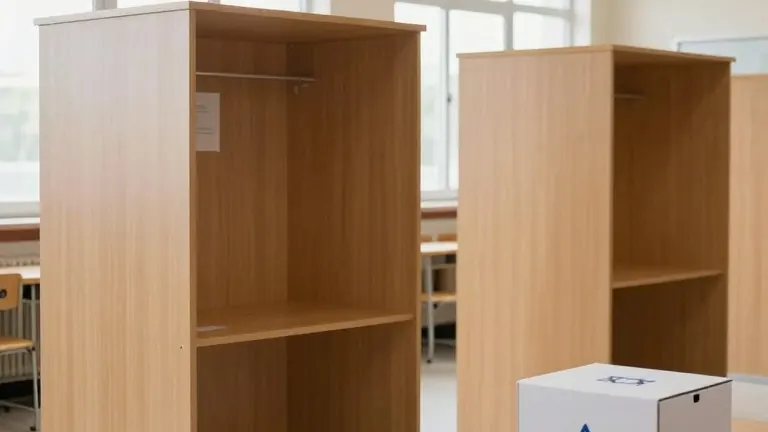
Voters aged 18 to 22 in Israel hold the potential to decide the outcome of up to 12 seats in the 120-member Knesset in the election scheduled for Oct. 27. The Israel Democracy Institute estimates that 640,000 young Israelis are eligible to cast ballots for the first time. This group represents nearly 10% of the total electorate, making their collective choice a critical variable for party lists seeking to cross the threshold for parliamentary representation.
The current political environment has shaped the priorities of this new voting cohort. The IDI notes that these voters have lived through a period of instability, including the pandemic, judicial reform protests, and the Oct. 7 attacks. Consequently, national security and the cost of living have emerged as the top issues for both Jewish and Arab youth in recent surveys.
Data from the IDI suggests that participation rates will be high. A May survey of potential first-time voters found that between 80% and 95% said they would likely vote. Secular Jewish youth showed the highest certainty, while 87% of Arab respondents expressed intent to participate. For comparison, youth turnout in the US 2024 presidential election was 47%, according to the Center for Information and Research on Civic Learning and Engagement.
Tammy Hoffman, head of the education policy program at the IDI, stated that military service may influence voting patterns in unexpected ways. She noted that while Jewish voters have trended rightward in recent decades, military experience often raises questions about war goals rather than simply fostering nationalist stances. She added that Arab Israelis, who have not shifted rightward, are more eager to vote than in previous cycles, reflecting increased engagement in Israeli society.
Individual voters describe specific economic and social concerns driving their choices. Yael Chernyvsky, 18, from Ramat Hasharon, plans to vote for the opposition Change bloc to oust Prime Minister Benjamin Netanyahu. She cited the government's handling of the war and its financial support for ultra-Orthodox communities as key factors. She is considering a vote for Yair Golan’s Democrats party or Gadi Eisenkot’s Yashar party.
Omer Gross, 18, from Jerusalem, is voting for the Religious Zionist party led by Finance Minister Bezalel Smotrich and Moshe Feiglin. Despite disagreeing with Smotrich’s plans for Gaza, Gross supports the party’s stance on the West Bank settlements. Conversely, Tomer Shiloh, 18, from Herzeliyah, is voting for the Change bloc, specifically supporting Eisenkot or Naftali Bennett. Shiloh wants the next government to mandate military service for Haredi men and reduce the cost of living.
Sgt. M, a 22-year-old reservist from an unnamed city, is voting for the left-of-center Democrats party primarily for economic reasons. He cited the high cost of tuition, housing, and books as barriers to higher education for young Israelis. Khalel Alaa Sabeh, 18, from Shef-Amra in the north, plans to vote for an Arab party to address resource gaps. Sabeh noted that Arab municipalities historically receive less government funding than Jewish municipalities and expressed concern over crime rates in the Arab sector.
A Sept. 23 N12 poll of young voters found that 74% identified as right-wing or center-right, while 23% identified as left-wing or center-left. If the election had been held at that time, 16% of respondents would have voted for Eisenkot’s Yashar party and 14% for Netanyahu’s Likud party. Hoffman said that mock elections in high schools showed a different trend, with many students voting for Yashar or the Beyachad party led by Bennett and Yair Lapid, rather than the far-right parties assumed to dominate the youth vote.
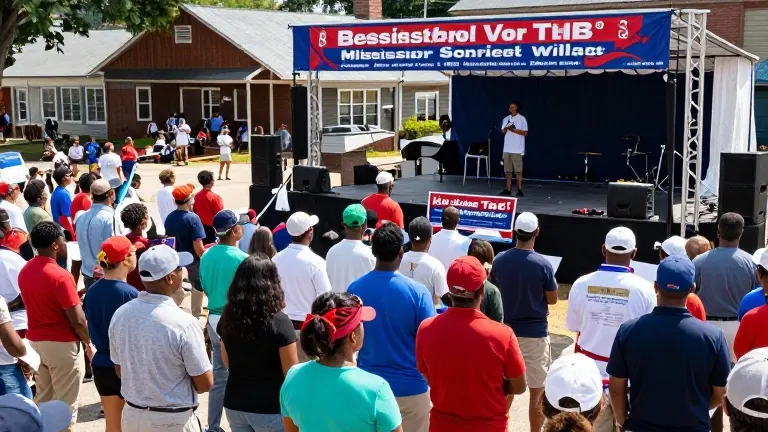
The Yigal Allon Center and the IDI co-sponsored an event in Tel Aviv where over 1,000 first-time voters gathered to hear from political leaders. The event included participants from pre-military preparation programs. As election day approaches, these voters are finalizing their choices based on economic stability, security, and social values. The results will determine whether the current government led by Netanyahu continues or faces a change in leadership in the Knesset.
Source: The Jerusalem Post