Musicians Question Reality Amid AI Surge
New artists use raw sounds to fight perceived fakes, while industry scams and digital tools deepen listener doubt about what counts as real.
By Nicholas James ·
Twisted Teens vocalist Caspian Hollywell sings about salvation and medication in a new track titled Is It Real? The song captures a growing anxiety in the music industry regarding authenticity. Hollywell, who has used stage names including CPN and C-Bird, asks if his music is a trick or a genuine form of empowerment. He tells interviewers that fans can love or hate the band, but they cannot deny its reality.
The question defines the current climate in 2026. Listeners report feeling chaotic and distrustful due to frequent scandals. These include emerging stars benefiting from nepotism, viral successes that appear rigged, and faked musical identities. The Rolling Stones recently released a video featuring de-aging technology, adding to the sense of manufactured artifice. Fans struggle to trust what they hear or buy as counterfeit vinyl and plagiarism allegations surface weekly.
A new wave of artists responds with raw, confrontational sounds. Bands like Twisted Teens, Westside Cowboy, Mandy, Indiana, and underscores employ do-it-yourself methodologies. Their styles range from punky retro garage to noise rock and hyperpop. Critics note these artists gain acclaim partly because they appear to fight against the growing influence of AI-generated content.
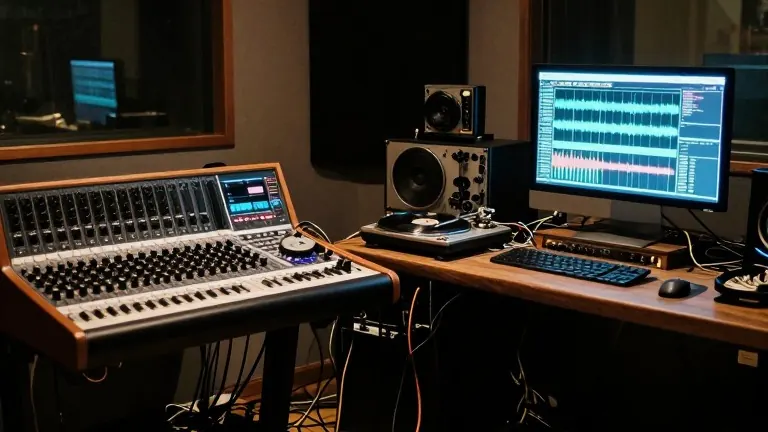
Debates over authenticity have historical roots. In 1979, guitarist Ry Cooder recorded Bop Till You Drop using digital technology. It was the first time a major label artist used a computerized system for a cleaner sound. Cooder initially liked the clarity but later described the final product as thin and cold compared to analog tape. He felt the digital process removed the ambient sounds of the room and its human inhabitants.
Another controversy erupted in the early 1990s involving Paula Abdul. Session singer Yvette Marine accused Abdul and her producers of using computers to create a composite voice on the hit Opposites Attract. Marine claimed the track blended her guide vocal with her own performance. She sued but lost the case. Critic Simon Reynolds defended Abdul as a showbiz artist but conceded her music lacked resonance, comparing it to junk food rather than a substantial meal.
Historical precedents show that new technologies always trigger suspicion. In 1929, Volney D. Hurd argued radio was a true miniature of live events, though better than squeezing large orchestras into small apartments. In 1969, William C. Woods called the Woodstock album and film a treasure and a fraud, citing poor audio fidelity and editing omissions. Listeners eventually adjust to innovations, accepting the verity of Donna Summer’s disco hits and The Monkees’ studio work despite their synthetic or limited instrumental contributions.
Social factors also shape these perceptions. Cooder, a white artist, was trusted to roam different musical communities due to his virtuosity and collaborations. Abdul, a Jewish woman of Syrian descent, faced more scrutiny as a dancer-turned-pop star in a Black-dominated genre. Her commercial success contrasted with critical scorn, with Robert Christgau calling her an imitation. Hugh Barker and Yuval Taylor identify three types of authenticity: representational, cultural, and personal. These frameworks help define how artists prove their work is real.
Current concerns extend beyond specific artists or tools. The tone of the discourse feels more urgent than in previous decades. Lionel Trilling’s 1972 lecture suggested the pursuit of the real self might have gone too far. Today, the line between genuine performance and digital construction is harder to see. Listeners question whether the music they enjoy is the product of human experience or algorithmic generation.
Source: WUSF Public Media