Majorities in both chambers at stake
Voters decide the balance of power in the 120th Congress with Republicans defending slim leads in the House and Senate.
By Nicholas James ·
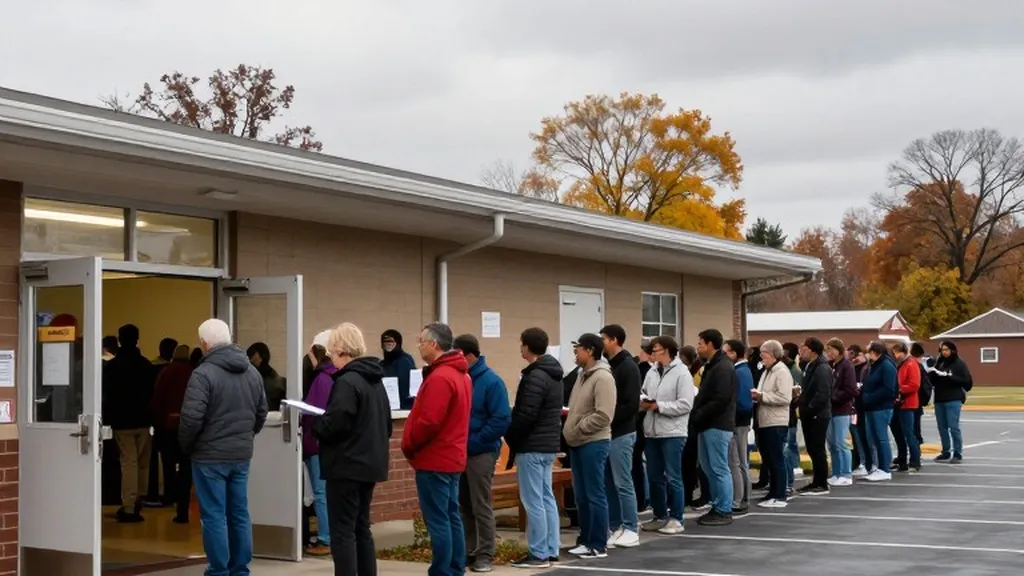
Americans cast ballots on Nov. 3 to determine which party controls the next Congress. The vote serves as a midterm check on the current unified Republican government under President Donald Trump. Both the House and Senate majorities are in play as parties campaign for their final days before election night.
All 435 House seats are on the ballot for two-year terms in the 120th Congress. Speaker Mike Johnson of Louisiana currently commands a narrow majority of 218 Republicans. He is joined by one independent, Rep. Kevin Kiley of California, who generally supports the speaker on the floor. Democrats hold 214 seats. Two vacancies exist following the April resignations of Rep. Tony Gonzales of Texas and Rep. Sheila Cherfilus-McCormick of Florida.
Speaker Johnson effectively starts with a 220 to 215 advantage over Minority Leader Hakeem Jeffries. Republicans defend their legislative record from the past two years, including the Working Families Tax Cuts Act. Johnson told CBS that the party is bringing down the cost of living and providing more jobs. He stated that the facts and records demonstrate continued success. The GOP also warned voters against embracing the political movement represented by New York City Mayor Zohran Mamdani.
Hakeem Jeffries, a Democrat from Brooklyn, campaigns on affordability and anticorruption. He is seeking to become the first Black speaker in U.S. history. Jeffries told reporters this month that the American people are fed up. He expressed confidence that Democrats are on track to win the House majority. Democrats need a net gain of three seats to reach the 218 seats required for a simple majority.
Thirty-five of the 100 Senate seats are on the ballot for six-year terms. This includes 13 Democratic and 22 Republican seats. Senate Majority Leader John Thune and Republicans currently hold a 53 to 45 edge. Democrats hold 45 seats, joined by two independents who caucus with them, creating a 47-seat minority. Vice President JD Vance holds the constitutional power to break tie votes in the Senate.
Thune can afford a net loss of three Republican seats and still retain the majority due to the vice president's tie-breaking role. Democrats, led by Minority Leader Chuck Schumer, need a net gain of four seats to flip the majority. More than 57 million Americans had already voted early as of Monday night, according to the University of Florida's Election Lab.
Source: WTVD