Breaking: Election Day is here! Make your selections for cost of living and oversight
Voters head to the polls to decide the balance of power in Congress, with Democrats focused on affordability and accountability while facing a significant financial disadvantage from Republican committees.
By Maya Morris ·
It is Tuesday, November 3, 2026, and the midterm elections are underway. According to Ballotpedia and USA.gov, this vote determines who controls Congress for the final two years of President Donald Trump's second term. All 435 seats in the U.S. House of Representatives are up for grabs, as are 35 of the 100 seats in the U.S. Senate. Additionally, voters are choosing governors in 36 states. The outcome will shape the legislative agenda for the remainder of the current administration and set the stage for future leadership battles.
Democratic leadership has framed this day as a critical opportunity to address the rising cost of living and demand better oversight. Rep. Suzan DelBene, the Chair of the Democratic Congressional Campaign Committee, stated that the American people are angry and want change. She emphasized that the election is a direct referendum on the current administration's handling of the economy and other national issues. This sentiment is echoed by House Democratic Leader Hakeem Jeffries, who has outlined a 100-day agenda focused on affordability and oversight should Democrats secure a majority in the House.
Voters on the ground are feeling the pressure of inflation in their daily lives. James Moore, a 57-year-old librarian in Raleigh, North Carolina, described his experience by noting that he is paying more taxes, more for healthcare, and more for everything. His comments reflect a broader mood among Democratic supporters who view the election as a chance to push back against economic strain. The Associated Press describes the election as a referendum on Trump's second term, with many voters struggling with high prices and expressing anger over an unpopular war with Iran.
The path to a Democratic majority is challenging but possible. In the House, Democrats currently hold 214 seats and need a net gain of three districts to take control. Republicans hold 218 seats and can lose no more than two to maintain their majority. Ballotpedia identifies 46 battleground districts in the House, with 25 of those seats currently held by Democrats and 21 by Republicans. In the Senate, Democrats need a net gain of four seats to achieve a majority, while Republicans can afford to lose only two. The party currently holds 45 seats, plus two independents who caucus with Democrats, for a total of 47 votes.
Financial resources play a significant role in this race. According to the Associated Press, the 2026 elections are likely to be the most expensive in history. Republican committees have outraised and outspent their Democratic counterparts, aided by Trump-affiliated groups and support from Elon Musk. An analysis of AdImpact data by the AP shows that 88.1% of Republican general election TV ad spending went to states and districts that Trump won in 2024. This financial advantage presents a major obstacle for Democrats, who must overcome a spending gap while trying to hold their ground in competitive districts.
Redistricting has also altered the political landscape. Six states, including California, Florida, Missouri, North Carolina, Tennessee, and Texas, are using new congressional maps after mid-decade redistricting. Ohio is also utilizing a new map. Republicans hoped these new districts would help them beat the typical midterm pattern of losing seats. However, some of the new districts in Florida and other states may not vote as expected, adding a layer of uncertainty to the final results. Democrats are working to navigate these new boundaries to ensure their message reaches the right voters.
The mood among Democrats is described as cautiously optimistic. While Republicans are bracing for the possibility of losing the House and fighting to hold the Senate, the AP notes that one or two seats could tip either chamber. Democrats are focused on mobilizing their base to ensure high turnout. RNC Chairman Joe Gruters acknowledged the importance of turnout, stating that if they turn out their voters, they win. This highlights the crucial role that voter participation will play in determining the final outcome of these closely contested races.
Polling data from AP-NORC indicates that 35% of U.S. adults approve of President Trump's job performance, while only 25% approve of his handling of the economy. About seven in ten adults say the country is heading in the wrong direction, with most blaming the president for high prices. These numbers suggest a significant portion of the electorate is open to change, which aligns with the Democratic focus on economic issues. The administration's handling of the war in Iran has also contributed to voter dissatisfaction, with the AP noting that voters are angry over the conflict.
Voters have already shown strong engagement in this election. More than 57 million people had already voted as of Monday, surpassing the early vote totals from four years ago in many closely watched states. This high level of early participation suggests that the final results could be closely contested. The U.S. Postal Service has added hours, staff, and special lines to ensure that mail ballots are counted on time, helping to facilitate the smooth operation of the election. This logistical effort is crucial in states where mail-in voting is a major component of the process.
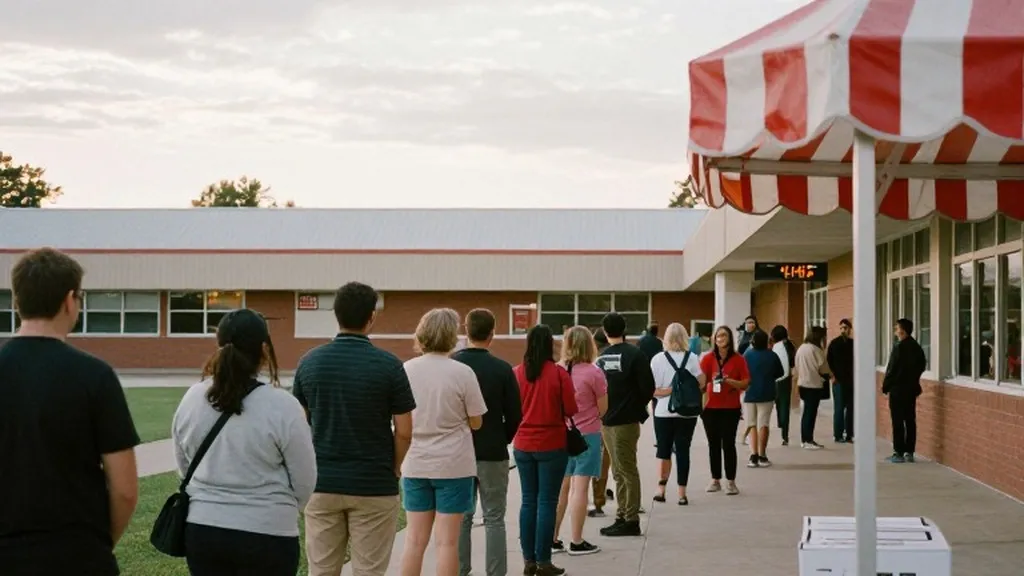
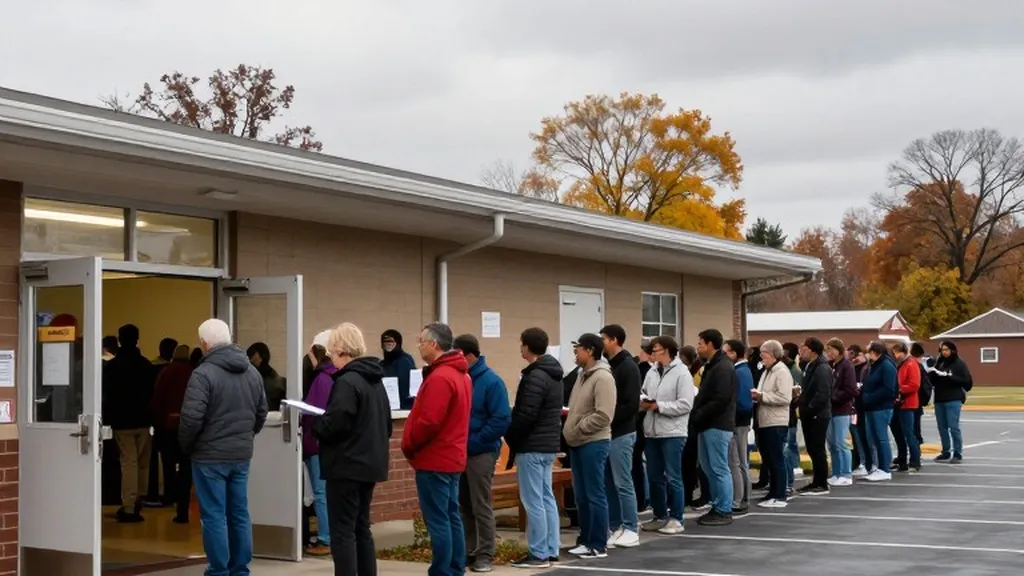
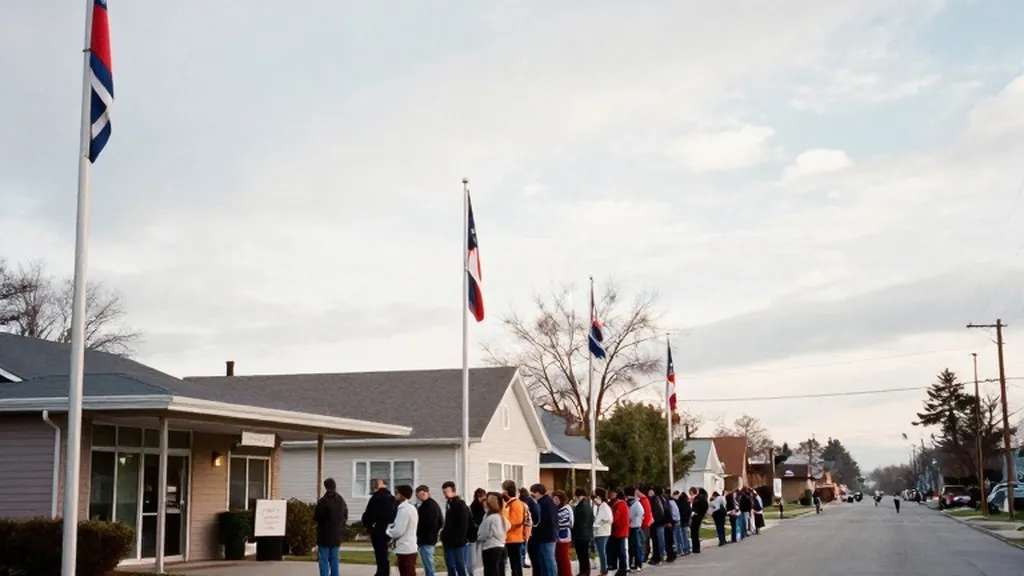
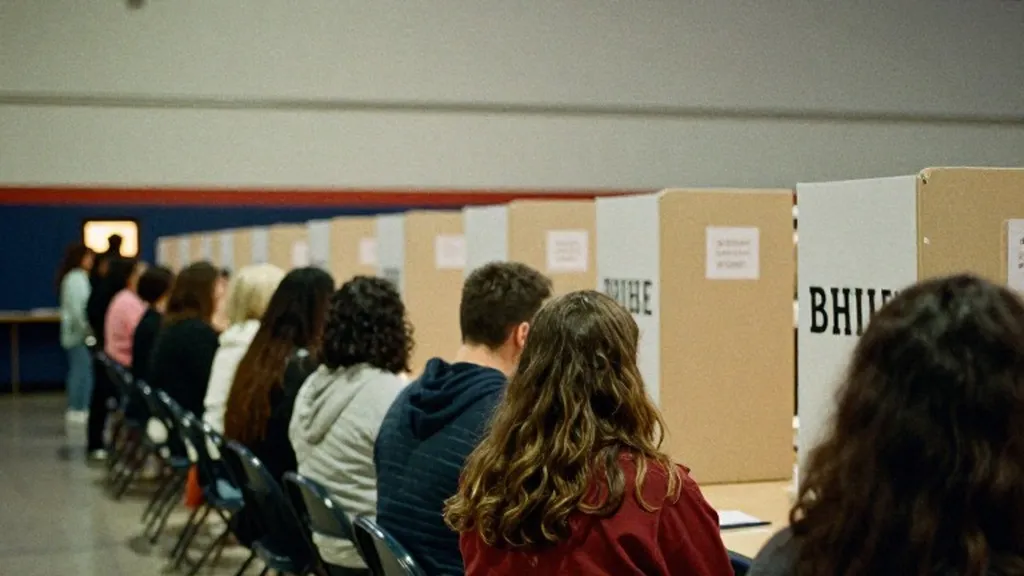
To vote today, readers should find their polling place at vote.gov or through their state election office. It is important to check state-specific ID rules before heading to the polls, as requirements vary by location. Poll hours differ across the country, so voters should verify the specific times for their area. For example, in North Carolina, polls are open from 6:30 a.m. to 7:30 p.m. local time. In Texas, polls are open from 7 a.m. to 7 p.m. In Georgia, polls are open from 7 a.m. to 7 p.m. Voters in line when polls close are entitled to cast their ballot, so arriving early is advisable to avoid long waits.
The stakes extend beyond just who controls Congress. According to Reuters, Wall Street is watching the results closely, as they could add to investor concerns about AI spending and debt ceiling negotiations. A strong Democratic performance could boost potential 2028 candidates like Gavin Newsom, JB Pritzker, and Pete Buttigieg. Conversely, a Republican hold on both chambers could complicate the path for Vice President JD Vance. The outcome of this election will have far-reaching implications for the national political landscape and the direction of the country in the years to come.
As voters head to the polls, the focus remains on the issues that matter most to them. From the cost of groceries and healthcare to the conduct of the war in Iran, these topics are driving voter decisions. Democrats are urging supporters to make their voices heard by voting in every race on the ballot. The day is about more than just winning seats; it is about setting the tone for the final two years of the current administration and laying the groundwork for the next chapter in American politics.
With polls open across the nation, the waiting begins. There are no results yet, and no winners have been declared. The day is a moment of civic action where every vote counts. Readers are encouraged to stay informed, check their ballot, and participate in the democratic process. The outcome of this election will shape the legislative priorities for the remainder of the Trump presidency and influence the trajectory of the American political future.