Tesla Sets Late 2026 Target for Cybercab Customer Deliveries
Tesla’s engineering leadership confirmed that the two-seater robotaxi will begin reaching private buyers before the end of the year, though most units will initially serve the company's own fleet.
By Maya Morris ·
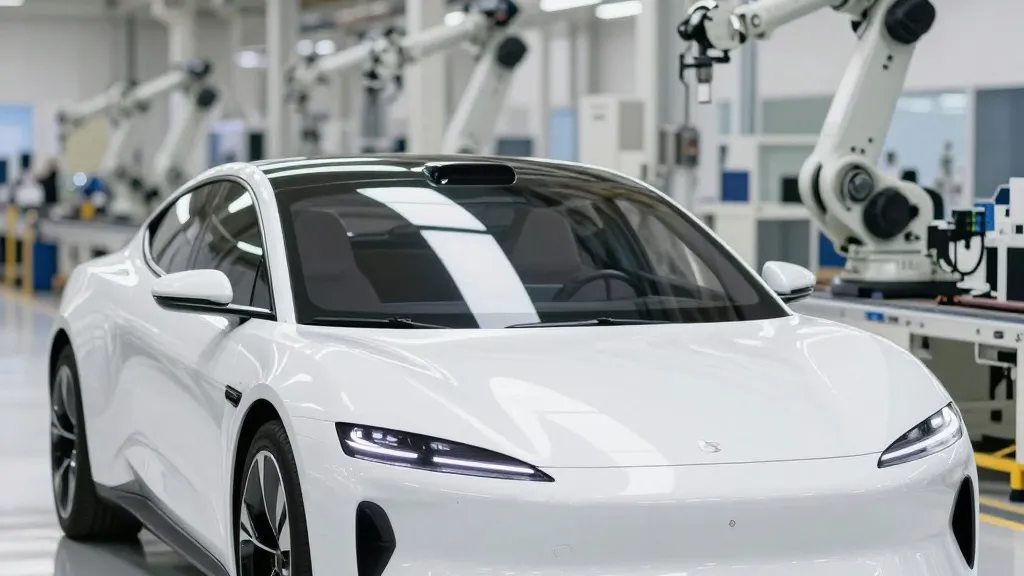
Tesla has established a concrete timeline for its most anticipated autonomous vehicle, with executives confirming that Cybercab units will begin reaching customers before the close of 2026. This announcement, made during the company’s third-quarter earnings call on October 21, resolves months of uncertainty regarding when the purpose-built robotaxi would move from internal testing to external ownership.
Lars Moravy, the company’s Vice President of Engineering, stated that production is actively underway at Gigafactory Texas. However, he clarified that the initial batch of vehicles is being allocated to Tesla’s internal Robotaxi fleet rather than private buyers. Moravy noted that the company is prioritizing its own operational needs while it refines the logistics of delivering and managing a fully autonomous vehicle outside of its direct control.
The strategy for the Cybercab differs significantly from Tesla’s traditional sales model. CEO Elon Musk emphasized that the vehicle is designed primarily as a “transport-as-a-service” offering. While the company has previously indicated a target price of approximately $30,000 for individual purchases, Musk stated that the vast majority of Cybercabs will remain Tesla-owned. This approach mirrors the company’s Robotaxi service, which launched to the public in early September, with early units already in operation.
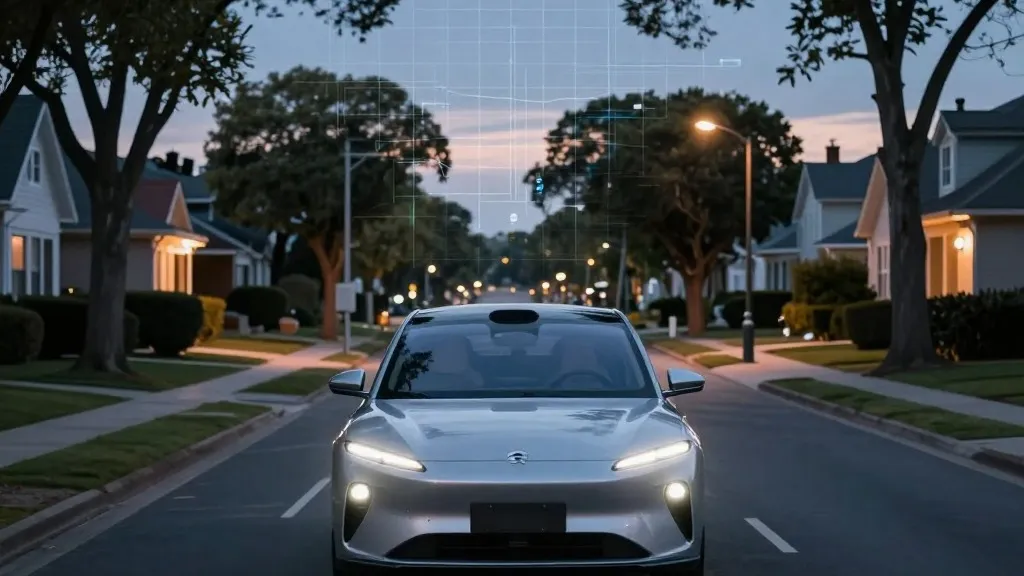
The Cybercab is a two-seater vehicle that lacks conventional controls such as a steering wheel or pedals, relying entirely on Tesla’s Full Self-Driving technology. Production of the vehicle began in February, allowing the company to build up inventory while regulatory frameworks and operational procedures are finalized. The initial rollout to private customers will be limited in scale, serving as a test case for ownership models and fleet management dynamics.
As operations scale, Moravy explained that Tesla intends to deliver fully designed autonomous vehicles to its customer base, with the Cybercab acting as the first example of this new category. The phased approach allows the company to gather data on how autonomous vehicles perform when they are not under the direct supervision of Tesla’s central fleet management team. This period is crucial for understanding the practical challenges of maintaining a large network of independent autonomous vehicles.
Regulatory hurdles remain a significant factor in the timeline. Ashok Elluswamy, Tesla’s Head of AI, indicated that unsupervised Full Self-Driving capabilities are expected to reach consumer cars during the second quarter of 2027. Until then, early Cybercab owners or fleet operators may find that their vehicles’ autonomous features are geographically restricted. These limitations are often a result of lagging regulatory agencies that are still catching up to the pace of technological development.
The shift toward a service-oriented model for the Cybercab suggests a broader strategic pivot for Tesla in the autonomous vehicle market. By retaining ownership of the majority of units, the company can maintain tighter control over software updates, maintenance schedules, and operational efficiency. This model reduces the burden on individual owners while allowing Tesla to capitalize on the high utilization rates typical of shared mobility services.
For investors and market observers, the confirmed delivery date provides a clearer benchmark for assessing Tesla’s execution capabilities. The transition from a production line to a widespread customer base will be a critical test of the company’s ability to manage complex autonomous systems at scale. As the year draws to a close, attention will turn to the volume of Cybercabs actually handed over to private parties and the extent of their operational freedom.
The coming months will determine how successfully Tesla navigates the intersection of manufacturing, regulation, and customer adoption. While the Robotaxi fleet continues to expand, the introduction of privately owned Cybercabs marks a new phase in the company’s autonomous vehicle journey. The limited initial deliveries serve as a controlled experiment, providing valuable insights before a broader rollout is attempted in the following year.
Source: Teslarati · original report published
More Business · Rip-Off Report · Report a business · Got a Story?