NASA Reveals High Starship Launch Count
A new internal estimate suggests roughly twenty-two rocket flights are needed to fuel a lunar lander, raising concerns about the Artemis timeline.
By Nicholas James ·
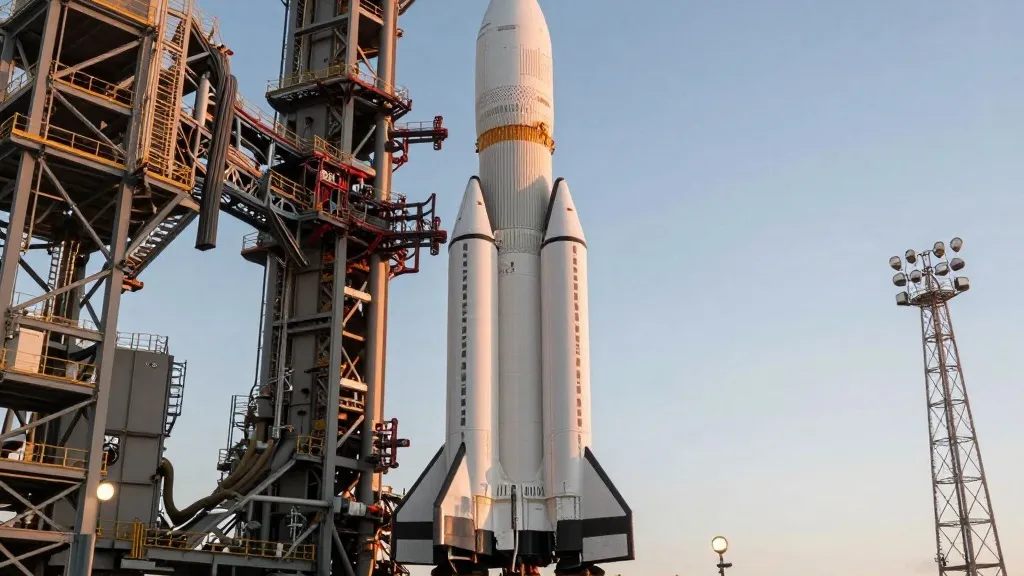
Twenty-two. That is the striking figure that has emerged regarding the logistical requirements for NASA’s most ambitious lunar mission. This number represents the estimated count of Starship launches necessary to assemble and fuel a lunar lander in low-Earth orbit. The goal is to send the vehicle to the Moon, land it, and return it to lunar orbit. It is a metric that space agency officials have historically treated with extreme caution, guarding it with a secrecy level akin to nuclear codes.
The path to this specific estimate has been defined by years of shifting targets and reluctant disclosures. In 2023, Lisa Watson-Morgan, then the director of NASA’s Human Landing System, told Ars Technica that the agency had a general idea but was hesitant to provide an exact figure. She later characterized the requirement as being in the "high single digits to the low double digits." This range implied approximately a dozen launches, a substantial number that would involve one "depot" Starship and eleven "tanker" vehicles to deliver liquid oxygen and methane. Other officials have even cited "high teens" as a possibility.
The underlying hope for these calculations was that SpaceX would significantly increase the lift capacity of the Starship rocket. Such an improvement would reduce the number of tanker flights required. However, recent sentiments among some NASA officials suggest this dramatic boost in capacity may not be arriving soon enough. Consequently, there is growing concern that the Starship rocket might not play a meaningful role in returning humans to the Moon within the current decade.
The new estimate surfaced during a quarterly meeting of the NASA Aerospace Safety Advisory Panel held on Thursday. During the session, panel member Charlie Precourt, a former NASA astronaut, discussed the risks associated with the Artemis Program and the specific challenges of landing humans on the lunar surface. His comments highlighted the operational complexities and the critical nature of the propellant transfer process in orbit.
This development marks a shift from the previous vagueness surrounding launch requirements. By providing a more concrete, albeit high, number, the agency is signaling the scale of the logistical operation required. The figure of twenty-two implies a massive coordination effort, far exceeding the earlier estimates of a dozen or so flights. It underscores the difficulty of transferring enough propellant in orbit to support a round-trip lunar journey.
Looking ahead, the Artemis Program faces significant hurdles. If the lift capacity of the Starship does not improve drastically, the timeline for crewed lunar landings may slip. The focus now turns to whether SpaceX can deliver the necessary performance gains or if NASA must adjust its operational plans. The next few months will be critical in determining if this high launch count remains the baseline or if technical advancements can lower the barrier to entry for the lunar race.
For readers in the Southeast and across the country, this number serves as a reality check on the pace of space exploration. It is not just about building a rocket; it is about the intricate dance of multiple launches and orbital refueling. The Artemis Program remains a pillar of NASA’s strategy, but the logistics are becoming increasingly clear and daunting. The agency is moving forward, but the path is paved with more rocket launches than previously publicly acknowledged.
Source: Ars Technica · original report published
More Business · Rip-Off Report · Report a business · Got a Story?