Humanoid Robotics: Tesla Delays Optimus Shipments to 2027
Tesla has pushed the start of external deliveries for its Optimus robot to late 2027, citing unresolved issues with hardware durability and AI capabilities.
By Justin Brooks ·
Tesla CEO Elon Musk has moved the target date for delivering its Optimus humanoid robots to outside customers to the end of 2027. During the company's third-quarter 2026 earnings call, Musk indicated that the robot’s hands, overall durability, and artificial intelligence systems require further development before commercial release. This latest shift extends a timeline that has been delayed repeatedly since 2024.
The path to this new deadline has been marked by shifting expectations. In 2024, executives suggested internal use in 2025 and high-volume production for other companies by 2026. By January 2025, the company projected the construction of 10,000 units that year, with several thousand performing useful work by year’s end. That goal was later acknowledged as unmet, leading to the current late-2027 target for external industrial applications.
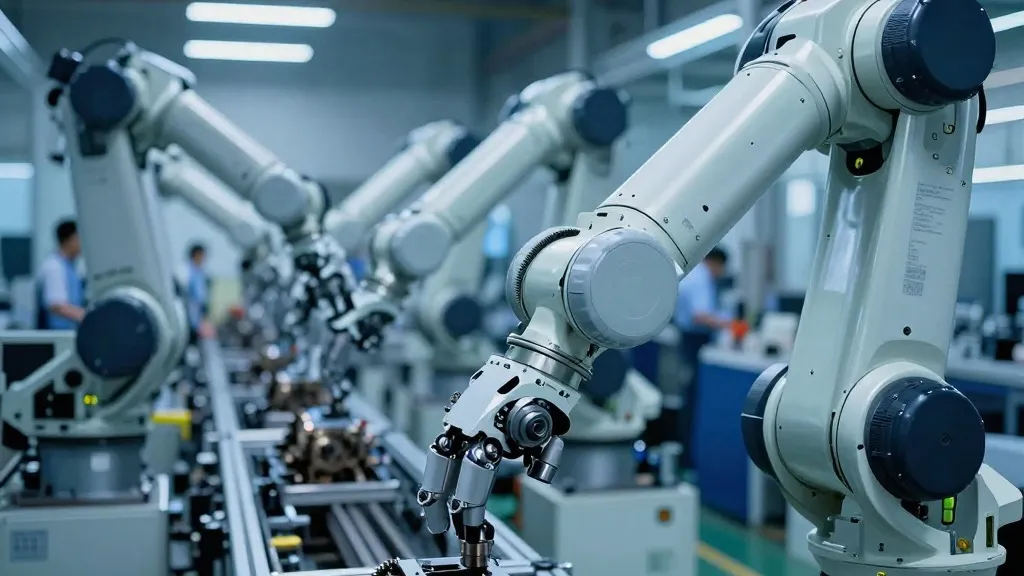
Tesla has begun early production of the robot on a high-volume line in Fremont, California, a facility previously dedicated to Model S and Model X vehicles. While most of the line designed for a million units annually is installed, Musk stated it will take at least a year to reach a production rate of 20,000 units per week. Engineers identified the robot’s hand as the most difficult hardware component, noting that the fingers must be soft enough for delicate handling yet durable enough to withstand constant wear. Custom gears also remain a source of reliability concerns.
On the software front, Tesla faces challenges with its AI architecture. Unlike its vehicle fleet, which generates vast amounts of data for its Full Self-Driving system, the company lacks a large base of robots for data collection. To address this, Tesla plans to build 10,000 to 20,000 units for an "Optimus Academy" where they will practice tasks. The company also intends to integrate its AI5 chip into the robots by April 2027. Musk promised a video demonstration within two months showing the robot performing unscripted tasks.
Competitors in the sector are operating on similar or slightly faster timelines. XPeng activated an automated production line for its IRON robot in September, with mass production planned by the end of 2026 and deliveries in early 2027. Meanwhile, Boston Dynamics began producing its electric Atlas in January and has committed all 2026 deployments, including work with Google DeepMind. The company opened a training center in Georgia in September and hired Tesla’s former Optimus lead in January.
Tesla’s latest shareholder letter describes the robots currently leaving the Fremont line as the first "production-quality" units manufactured, implying that all previous versions did not meet that standard. While Musk maintains that no other company is close to Tesla on general-purpose humanoids, rivals continue to advance their own hardware and software solutions, focusing on practical industrial applications.
The next step for Tesla is the promised video release, which will test the claim that the robot can handle tasks without pre-programming. Investors and analysts will watch closely to see if the late-2027 delivery date holds, given the history of slippage. The company aims to position the robot for dangerous, repetitive, or around-the-clock industrial jobs once the engineering and AI hurdles are cleared.
Source: Electrek · original report published