Trump's Approval Falls Below 40 Percent as Midterm Election Nears
Polling shows the president's support dropping to 37 percent, a level that historically correlates with severe losses for the ruling party.
By Maya Morris ·
President Donald Trump faces a difficult electoral environment this Tuesday as his personal approval rating drops to an average of 37 percent. This decline marks a significant shift from his early 2025 average of 52 percent and places him below the 40 percent threshold that has historically preceded brutal midterm results for the incumbent party.
Polling data indicates the Republican Party is poised to lose its slim majority in the House. The outcome in the Senate remains close, with Vice President Vance holding the tie-breaking vote. In the final weekend of the campaign, Trump focused his personal visits on Iowa and Kansas to limit losses in the Senate. He traveled to these states even after a brief cancellation of the plans, while conducting remote tele-rallies in 19 other states.
The strategy targets specific vulnerabilities in the map. Trump previously won 31 Iowa counties that had supported Barack Obama in 2008 and 2012. Kansas has not elected a Democrat to the Senate since 1932. Despite these historical advantages, current polls show potential Republican losses in swing states and red states Trump won by double-digit margins in past cycles.
Economic dissatisfaction drives much of the voter sentiment. Inflation remains elevated, and gas prices have led to sustained increases in everyday costs. This contrasts with Trump's campaign promise to make goods cheaper and tame inflation. Foreign policy issues, such as the status of Ukraine and the Middle East, also feature in voter concerns, though economic factors appear more dominant in current polling.
The Democratic Party faces internal challenges even if it regains congressional control. Ruy Teixeira, a political demographer currently at the American Enterprise Institute, published 11 questions for Democrats in October. His final question asks whether the party will prioritize the interests of white working-class voters over its recent focus on race, gender, and social policy. Teixeira notes that Democrats have united around issues like grocery prices and opposition to large AI data centers.
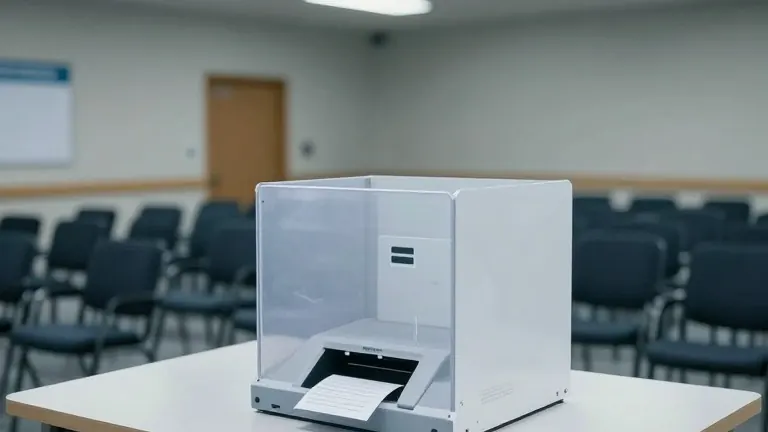
Confidence in the electoral system itself is under strain. Nonpartisan experts generally defend the current state of American voting processes, citing improvements since the Help America Vote Act of 2002. This legislation allowed states to replace punch-card ballots with touch-screen technology and paper trails. However, Trump continues to label polling and news reporting as fake, a pattern that began with his 2016 nomination and the January 6, 2021 protests.
Source: WEPR