Trump Orders AI Giants to Share Power Profits With Neighbors
The President has demanded that hyperscalers sell excess electricity back to local grids to offset rising costs and win over skeptical communities.
By Nicholas James ·
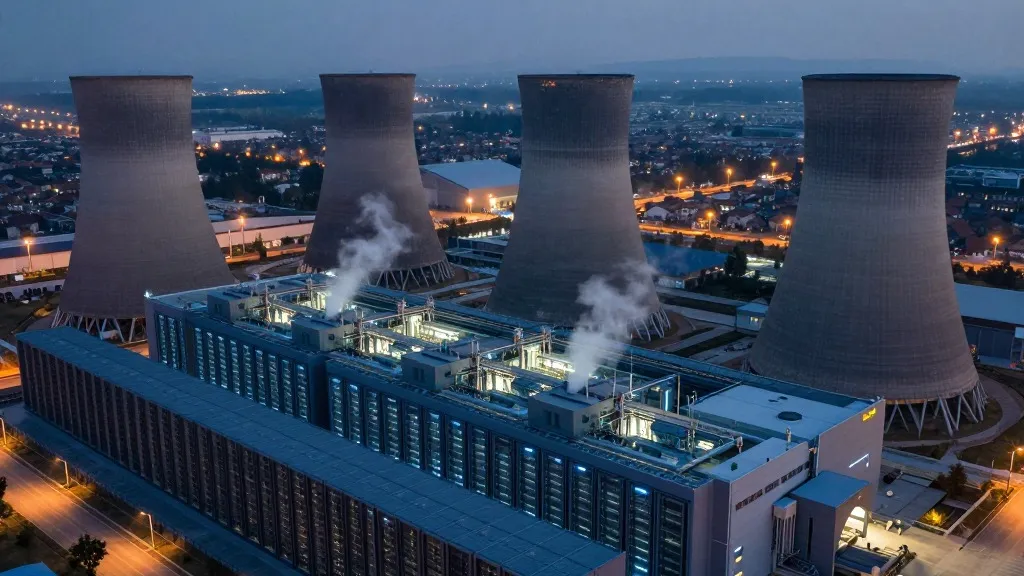
President Donald Trump has set the stage for a new financial requirement for the artificial intelligence industry, demanding that data center operators provide a direct energy dividend to the towns hosting their massive facilities. In a statement released on Tuesday, the President warned that these hyperscalers will be mandated not only to generate their own power but also to return excess energy to the local community. This move is designed to make the presence of these facilities more acceptable to residents who have faced rising electricity bills and environmental concerns.
The administration’s strategy targets the growing friction between AI infrastructure and the small communities that bear the brunt of its impact. Local populations across the United States have increasingly protested against new data center projects, citing significant disruptions to their daily lives. These complaints range from higher utility costs and noise pollution to water shortages, air quality issues, and deforestation. By requiring these companies to share the economic benefits of their power generation, the White House aims to transform a source of resentment into a community asset.
A central component of this mandate is the financial mechanism for sharing resources. The President suggested that the dividend could take the form of partially covering rising electricity costs for nearby homes. This aligns with a recently passed act that requires data centers to shoulder the costs of grid upgrades, preventing those expenses from being passed on to local taxpayers. The goal is to use the excess electricity generated by these facilities to lower local rates, potentially reversing the trend of price hikes that have sparked so much opposition.
The push is driven by a dual desire to maintain momentum in the U.S. AI race against China while simultaneously winning back public favor. The administration believes that if data centers become financially beneficial to their hosts, they will be built more quickly and with less resistance. “Data Centers that were highly unpopular in a certain area have become extremely popular when a financial deal is struck,” Trump stated, urging stakeholders to “MAKE DEALS, and get them built!!!”
However, the practical implementation of this policy remains unclear. While the economic incentive is a strong starting point, it does not address all the grievances held by local residents. Issues such as enormous water consumption, ecological damage, and pollution remain major hurdles that money alone may not solve. The short-term power generation methods currently favored by data centers, such as gas-powered generators, also raise questions about whether the local air and noise quality will truly improve for neighbors living in close proximity to the sites.
Ultimately, the success of this mandate will depend on whether the financial benefits outweigh the environmental and logistical costs for the average resident. If the dividends are substantial enough, they could turn skeptics into supporters and accelerate the construction of new facilities. If the payments are perceived as token gestures, the backlash may continue, leaving the administration with a complex challenge in balancing rapid technological expansion with community well-being.
Source: Tom's Hardware · original report published