SpaceX declines military contracts as PLD Space prepares Miura 5 for flight
The aerospace company turned down three Space Force offers while a Spanish rocket maker reported significant progress on its upcoming small-lift vehicle.
By Justin Brooks ·
SpaceX has formally declined three launch opportunities presented by the United States Space Force, a decision that marks a notable shift in the company's commercial posture. The move was reported on Thursday and has drawn attention within the aerospace community. While the specific reasons for the rejection were not fully detailed in the immediate release, the refusal signals that the company is currently prioritizing other aspects of its operational roadmap. This development comes at a time when SpaceX is managing a complex portfolio of both military and civilian missions.
The primary claim regarding the Space Force offers is that the contracts were presented to SpaceX but were subsequently turned down. The company's decision suggests a strategic choice to allocate its launch capacity to other clients or internal projects. Analysts may view this as a sign of strong demand for SpaceX services in the commercial sector, allowing the company to be selective about its military engagements. The rejection was part of a broader set of news items released by the company during the same week.
Simultaneously, SpaceX faced scrutiny regarding its Starship program. A NASA safety panel indicated that the vehicle might require as many as twenty-two refueling operations in low Earth orbit to support a lunar landing mission. This finding highlights the technical challenges associated with the in-orbit refueling process. The high number of required refuelings introduces complexity to the mission architecture. It raises questions about the reliability and efficiency of the proposed system for crewed lunar operations.
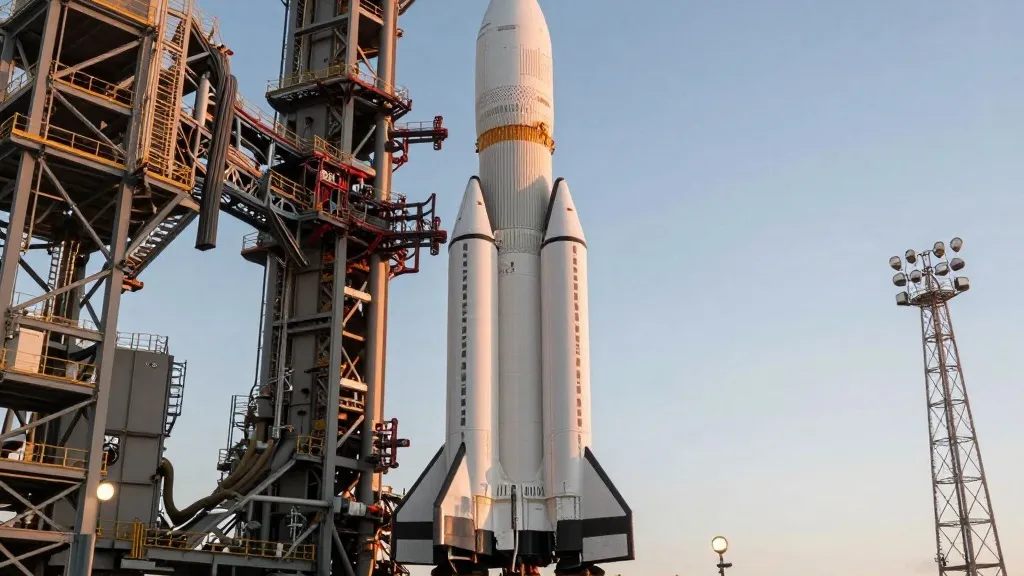
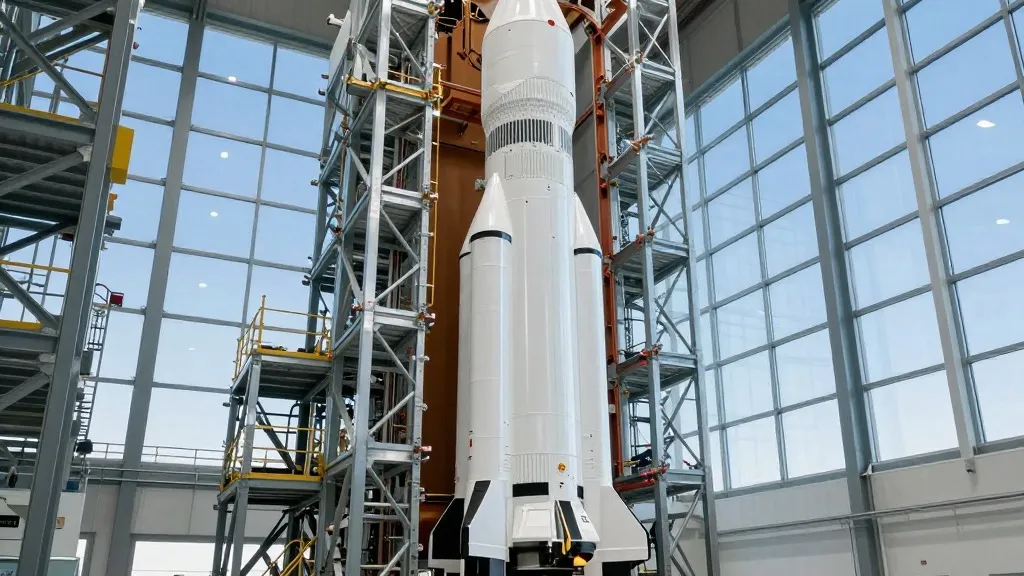
On the international stage, PLD Space, a Spanish rocket manufacturer, announced that its Miura 5 rocket is nearing final integration. The company stated that the vehicle is on track for its inaugural launch next year. According to Aviation Week, the rocket is one of three units already manufactured by the firm. The other two vehicles are designed to qualify key system elements. CEO Raúl Torres provided an update on October 19, confirming the progress in the production line. PLD Space now targets a first flight of this small-lift vehicle before mid-2027.
Torres explained that the manufacturing of three vehicles allowed the engineering teams to work continuously across different stages of production. This approach enabled the application of lessons learned from each qualification campaign directly to the launch vehicle. One Miura 5 second stage is now fully integrated. This stage will begin system-level testing under representative operating conditions. The unit is currently at PLD’s Teruel test facility for its qualification campaign.
The qualification process includes a wet dress rehearsal and a static hot-fire test. These tests are critical for verifying the performance of the rocket's propulsion and structural systems. The successful completion of these trials is a prerequisite for the upcoming orbital flight. The company's strategy of building multiple units in parallel has accelerated the development timeline. This method allows for iterative improvements and reduces the risk associated with the first flight.
In the startup sector, Reaction Dynamics, a Canadian launch company, is seeking to raise $350 million in new funding. The capital is intended to support a significant expansion of the company's workforce. Reaction Dynamics currently employs 68 people and aims to grow that number to more than 350. The company is developing the Aurora rocket, a small-lift vehicle that is expected to reach orbit in 2028. This funding round is a key step in achieving that target.
Reaction Dynamics has also announced plans to develop a medium-lift rocket named Borealis. The debut of this larger vehicle is planned for 2031. The expansion of its product line reflects the company's ambition to compete in both the small and medium-lift markets. The fundraising effort, as reported by spaceQ, underscores the competitive nature of the commercial space launch industry. These developments illustrate the diverse activities occurring across the global space sector this week.
Source: Ars Technica · original report published
More Business · Rip-Off Report · Report a business · Got a Story?