NHTSA Proposes Cyan Lights to Mark Driverless Cars
Federal regulators are seeking to standardize a blue-green glow for autonomous vehicles to distinguish them from human-driven traffic.
By Maya Morris ·
Twelve point eight volts. That specific electrical figure anchors a new federal proposal aimed at modernizing how we see driverless cars on the road. The National Highway Traffic Safety Administration has released a draft update to Federal Motor Vehicle Safety Standard No. 108, seeking to align lighting regulations with the reality of automated driving systems. The core of this regulatory shift is a request for a distinct visual cue that tells law enforcement and other motorists exactly when a human is not in control.
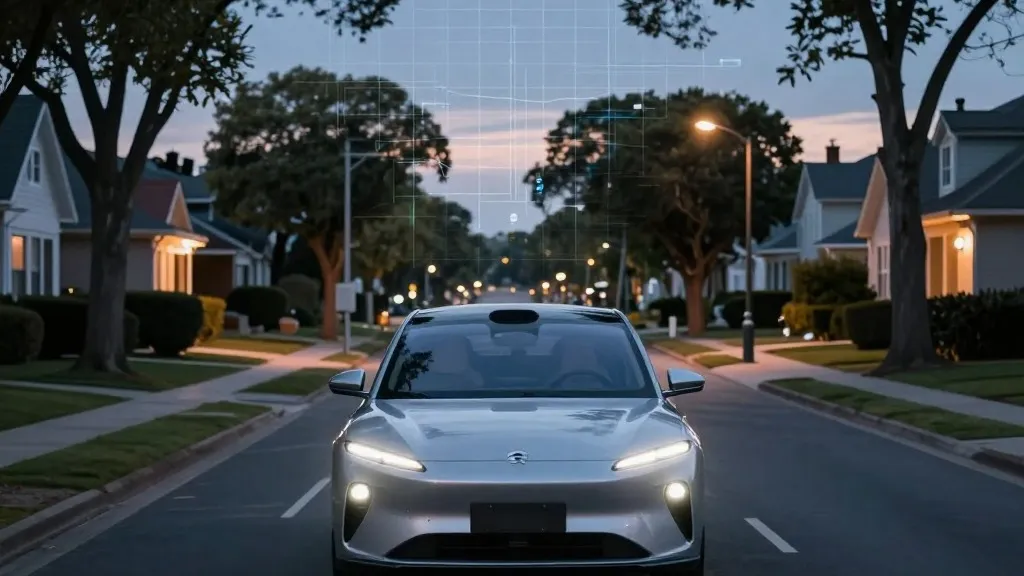
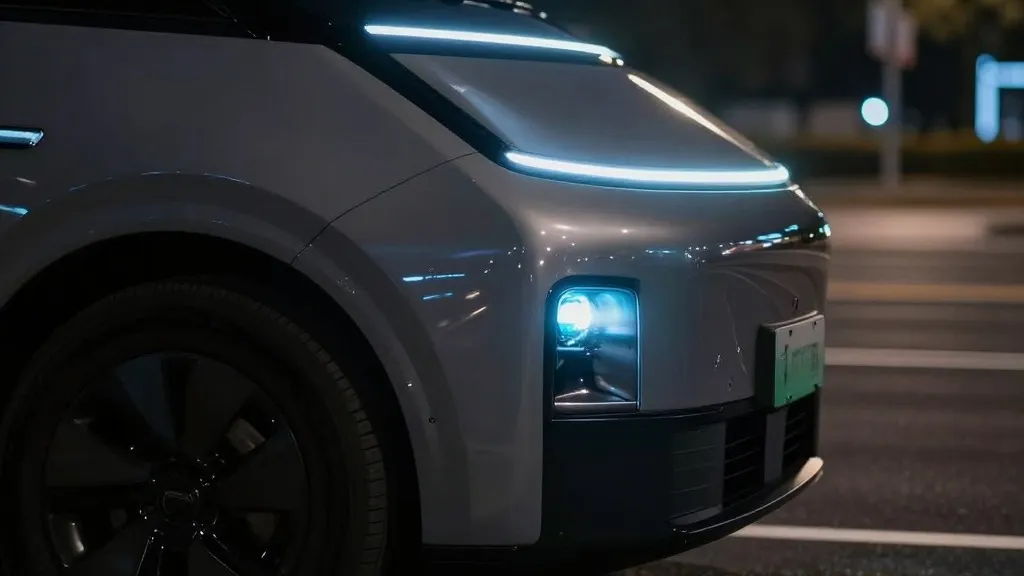
The agency is proposing the adoption of cyan-colored marker lamps as the universal signal for autonomous operation. This choice is not arbitrary. The automotive industry already relies heavily on red, amber, white, and flashing blue or red lights for standard functions like braking, turning, and emergency alerts. By selecting a blue-green hue, regulators hope to fill a visual gap that allows robotaxis to be identified without causing confusion or triggering unnecessary reactions from other drivers.
There is a historical basis for this color selection. Mercedes-Benz previously received state-level permission to use turquoise lights on its Level 3 Drive Pilot vehicles. Although the company later abandoned that specific project in favor of a Level 2++ system, the precedent remains. NHTSA aims to establish a national standard that operators such as Waymo, Nuro, and Zoox, along with manufacturers like GM and Mercedes, can adopt uniformly across the country.
Under the current draft, these cyan lights would remain optional for manufacturers. However, the federal agency wants to codify the color, brightness, and placement to ensure consistency. This approach prevents a fragmented landscape where different companies use varying colors or signals, which could lead to mixed messages on the highway. The goal is to create a predictable legal framework for any automaker that chooses to implement the technology.
Beyond adding new lights, the proposal seeks to remove outdated requirements that do not apply to vehicles without human drivers. Current rules mandate physical hazard switches, manual beam shifters, and turn levers inside the cabin. NHTSA suggests eliminating these mandates to allow for cleaner interior designs. The agency is also updating the 12.8-volt testing standard to accommodate modern LED architectures, removing administrative hurdles that complicate the build process for new vehicle types.
This move is part of a broader Department of Transportation effort to streamline the deployment of autonomous vehicles. The administration wants to make it easier for manufacturers to create cars without traditional controls like steering wheels and pedals, which are primarily designed for human operation. By simplifying the regulatory environment, the government hopes to accelerate the introduction of driverless technology into the mainstream market.
Despite the push for flexibility, regulators continue to enforce existing rules strictly. Last month, NHTSA launched an audit query into the Tesla Cybercab to review the technical data used for its certification. The investigation focuses on the vehicle's lack of sideview mirrors, pedals, and a steering wheel, all of which are currently required under existing safety standards. This dual approach highlights the tension between modernizing rules for the future and maintaining current safety benchmarks.
Source: The Verge · original report published