17 nations back U.S. as U.N. vote on Cuba embargo shifts
The General Assembly condemned the sanctions for the 34th consecutive year, but a sharp drop in support followed a push by the Trump administration.
By Nicholas James ·
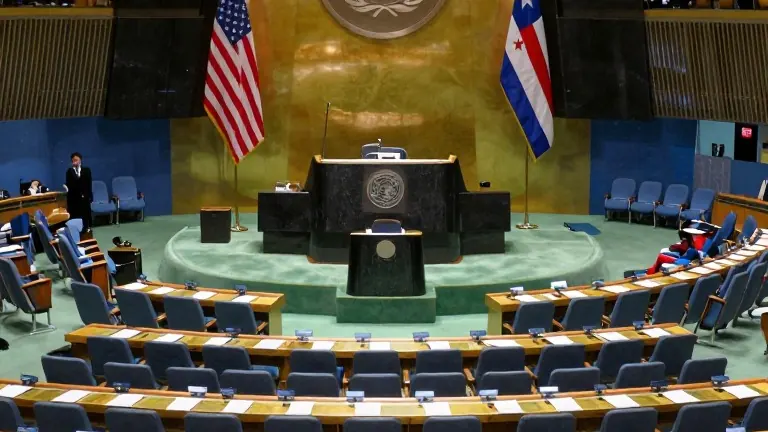
The United Nations General Assembly voted 17 against a resolution condemning the U.S. economic embargo on Cuba on Wednesday. This figure stands in stark contrast to last year's count of seven, marking the largest bloc of opposition in the measure's history. The final tally was 130 in favor, 17 against, and 25 abstentions. By comparison, the previous year saw 165 votes in favor, seven against, and 12 abstentions.
The shift in the vote occurred despite the resolution lacking legal binding force. It reflects a change in posture among Western allies. Germany, Italy, and Latvia abstained for the first time in 34 years. The vote took place while Cuba faces deepening financial crises and Washington intensifies its economic pressure. U.S. President Donald Trump recently suggested that American warships might stop in Cuba on their way back from the Iran war.
Tensions between the two nations spilled into the assembly hall on Tuesday. U.S. Ambassador Mike Waltz and Cuban Foreign Minister Bruno Rodriguez engaged in a shouting match during a debate on the resolution. Rodriguez walked to the podium where Waltz was speaking and called him a liar. He attempted to secure a point of order from the session presiding officer.
Waltz responded by telling Rodriguez to back away from the podium. Security personnel and staff tried to intervene as Waltz stated, "He’s not going to intimidate me in the United States of America. You understand who you’re dealing with? This is America. Back up." Rodriguez later posted on X that the U.S. government was making a desperate attempt to justify its economic aggression and criminal energy blockade.
This incident follows a similar confrontation a week earlier. Waltz and Cuban counterpart Ernesto Soberon Guzman clashed outside a U.S.-hosted panel featuring Cuban dissidents and former prisoners. The panel aimed to detail allegations of oppressive behavior by the island's government. These events signal a break from traditional diplomatic decorum at the U.N.
The U.S. embargo began in 1960 after Fidel Castro led a revolution that overthrew dictator Fulgencio Batista. Castro nationalized properties owned by U.S. citizens and corporations. Cuba has faced decades of economic hardship. The situation worsened in late January when Trump announced tariffs on countries selling or providing oil to Cuba. This move effectively cut off fuel to the island, causing widespread power outages that disrupt cooking, water supply, and internet services.
The next step in the diplomatic process involves the implementation of the new tariff policies and continued monitoring of the island's energy sector by international observers.
Source: WCCB