War Drives $36 Billion Windfall: Oil Giants Profit
ExxonMobil, Shell, and Chevron report record quarterly earnings as Brent crude trades at $113 per barrel.
By Maya Morris ·
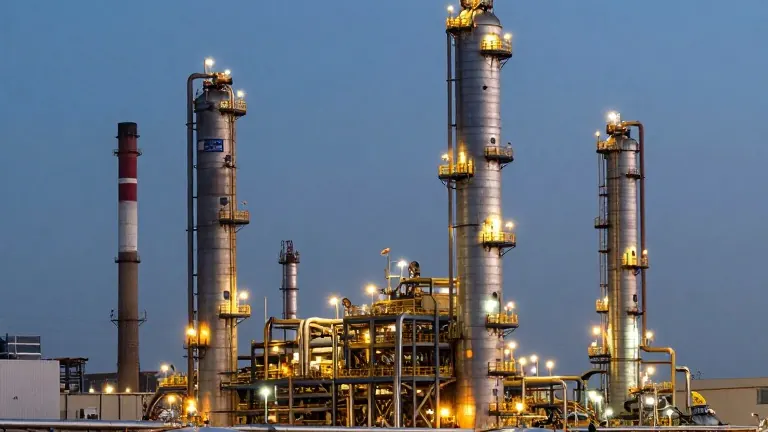
Three of the world's largest oil companies collected more than $36 billion in profit during the third quarter.
ExxonMobil led the group with $15.4 billion, a figure that more than doubled its earnings from the same period last year. Shell reported $10.8 billion, nearly doubling its previous total. Chevron posted $9.9 billion, an 180 percent increase. These gains follow a similar surge in the prior quarter, driven primarily by the war in Iran.
The conflict has disrupted global supply routes through the Middle East, reducing the flow of oil and increasing the value of crude from other regions. Brent crude now trades around $113 a barrel, up from approximately $70 before the war began. Demand for fuel has remained steady as consumers continue to drive cars, heat homes, and transport goods.
Dan Pickering, founder of Pickering Energy Partners, noted that producers in the U.S., Latin America, and Europe are selling their output at much higher prices. He stated that the Middle East's supply loss serves as a gain for Western oil and gas firms. On earnings calls, executives confirmed that much of this profit returned to shareholders through dividends and stock buybacks. Shell executed one of its largest buybacks ever, while Exxon declared its highest quarterly dividend to date.
Despite the revenue spike, the companies are holding cash rather than spending on new drilling projects. Pickering explained that executives view the current high prices as geopolitical anomalies rather than long-term market shifts. They intend to wait and see how conditions evolve before committing capital to new infrastructure.
The supply shock has raised consumer costs. Gasoline prices are approximately $1.20 per gallon higher than a year ago, according to AAA. Diesel reached a record high in September and remains near that peak. Exxon CEO Darren Woods acknowledged the impact on people's lives and economic growth, stating his team is maximizing production to help keep prices down. Chevron CEO Mike Wirth added that the company is focused on helping consumers get as much as possible from their systems.
Shell CEO Wael Sawan said he did not anticipate oil prices would remain this high. He noted that global inventory levels are drawing down quickly, making it difficult to refill stocks in the short term. The U.S. Strategic Petroleum Reserve is at low levels, and Europe has released portions of its crude and diesel reserves. Democrats in Congress have introduced bills for a windfall tax to return excess profits to Americans through tax rebates. Senator Sheldon Whitehouse of Rhode Island argued that renewable energy sources are becoming cost-competitive compared to fossil fuels. Isabella Weber, an economist at the University of Massachusetts Amherst, described the current situation as a contradiction where record corporate profits coincide with a major energy supply crisis. The Trump administration has taken steps to lower fuel prices, including loosening rules for dyed diesel and lifting some sanctions against Russia. These measures are unlikely to lower U.S. prices before Tuesday's midterms.
Source: NPR
More Business · Rip-Off Report · Report a business · Got a Story?