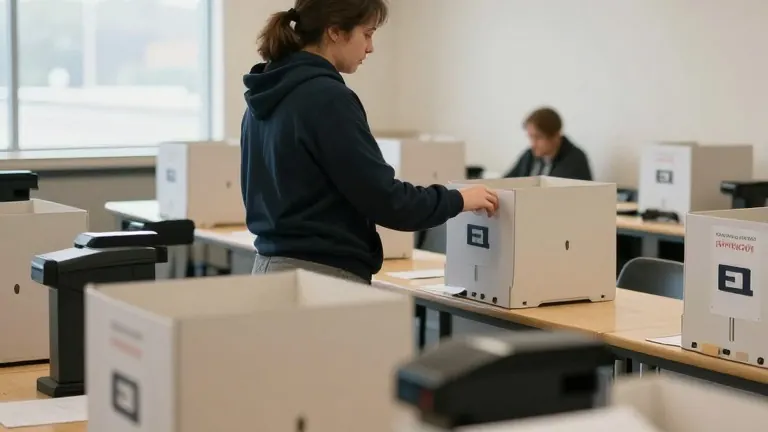
NPR Reporters Break Down Polling Errors and Midterm Race Chaos
Correspondents explain why state surveys fail, how down-ballot races offer unique access, and which specific contests are driving national attention.
By Nicholas James ·

NPR political correspondents told listeners that national polls have tracked the 2026 midterm race accurately, though they slightly underestimated Republican turnout. Domenico Montanaro, NPR senior political editor and correspondent, noted that national surveys generally stay within their stated margins of error. He warned that a poll with a plus or minus 3 or 4 percentage point range actually covers a 6 to 8 point spread. In close contests, this fuzzy range often leads voters to expect a precision the data does not support.
State-level surveys have struggled with quality. Montanaro pointed to a decline in local journalism funding, which has reduced the number of rigorous, frequent polls in many districts. He said this vacuum allowed junk and even fake polls to circulate. Reporters must now scrutinize pollsters more carefully than they did in previous cycles. The team emphasized that horse-race numbers are less important than trends in public opinion on specific issues.
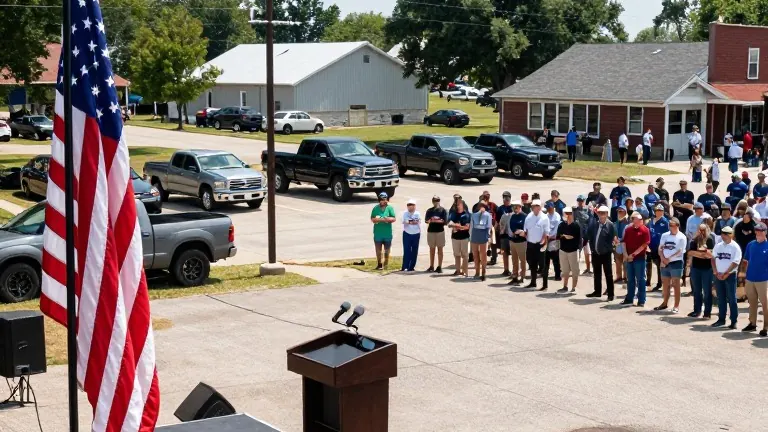
Reporters described the 2026 midterms as more intimate than presidential cycles. Sam Gringlas, an NPR congressional reporter, said he recently covered candidates at an antique shop, a farmer's market, a UAW picnic, a family farm, and a smokejumper-themed brewery. He contrasted these settings with the stadium-size venues and security pens typical of presidential rallies. Gringlas said the smaller scale allows journalists to watch candidates interact directly with voters and ask unscripted questions.
Tamara Keith, NPR senior political correspondent, identified Nevada's 2nd Congressional District as a messy contest to watch. She described a Republican nominee backed by President Trump who moved to the district solely to run for office. The candidate is facing a former Miss Nevada and state legislator. Keith noted that the retiring Republican congressman has publicly criticized his own party's nominee. She said the race is too chaotic to ignore, even if the outcome does not shift the national balance of power.
Voters will decide on several redistricting measures this year. In Maryland, a proposal to add a Democratic seat faces an uphill battle. Colorado is weighing a measure to prevent mid-decade map changes. Missouri is considering a map that could help Republicans flip a seat. Alaska will again debate its ranked choice voting and nonpartisan primary system. Keith and her colleagues also flagged the California wealth tax initiative, which has drawn tens of millions of dollars in campaign spending.
Montanaro said that if Democrats take control of either chamber, the primary effect will be increased oversight and investigations of the executive branch. He noted that legislative gridlock is likely because only about 10% of congressional districts are competitive. This low number reduces the incentive for bipartisan compromise on major bills. Montanaro added that only twice since World War II has the president's party gained seats in a midterm, happening in 1998 and 2002.
Source: WFAE