Laser Treatments May Lower Skin Cancer Risk
New data from the Skin Cancer Foundation suggests fractionated lasers reduce precancerous cell development beyond cosmetic benefits.
By Nicholas James ·
Patients seeking laser skin treatments may receive a second benefit: a reduced risk of developing certain skin cancers. Dr. Mary L. Hale, a dermatologist and senior vice president of the Skin Cancer Foundation, stated that a decade of research indicates these procedures decrease the likelihood of future precancers and skin cancers. This shift in medical understanding moves laser therapy from a purely cosmetic option to a potential preventive health tool.
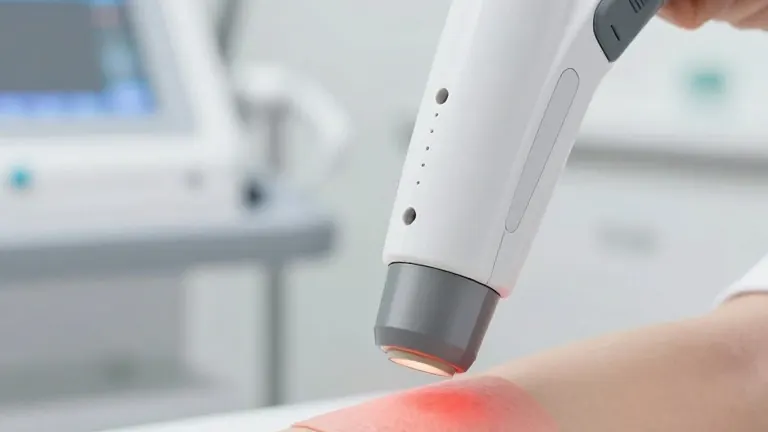
Hale specifically cited data regarding Fraxel, a fractionated non-ablative laser, and pulsed dye laser treatment paired with photodynamic therapy. These methods have been linked to a reduction in the development of basal cells, a type of skin cancer. Unlike older laser procedures that removed the top layer of skin, Fraxel technology preserves most of the epidermis while delivering energy through micro thermal zones. Hale noted that the modern approach offers quicker healing, less pain, and virtually no risk of scarring, addressing common patient concerns about recovery.
Before recommending any procedure, Hale requires patients to commit to daily skin protection. She stated she will not perform a procedure unless the patient is dedicated to preventing further damage. Her primary non-negotiable is the use of broad-spectrum sunscreen with an SPF of 30 or higher, applied daily after cleansing and moisturizing. Hale also advocates for moisturizers containing DNA repair enzymes, which she says help remove mutations and reinforce the skin’s overnight repair processes.
Diet plays a critical role in skin health according to Hale, who favors eating over supplementing. She recommends a diet rich in colorful fruits, vegetables, and protein to support collagen synthesis. Specific foods highlighted for their skin benefits include blueberries, sweet potatoes, and acai, which are high in antioxidants. These nutrients help neutralize free radicals caused by environmental toxins and sun exposure. Hale also pointed to polyphenols found in green tea, noting that research shows they slow down mutations occurring in the skin.
For women entering perimenopause and menopause, Hale emphasized the impact of declining estrogen levels on skin elasticity. She observed that this hormonal drop leads to sallow, wrinkly, and sagging skin. Hale believes most women should consider some form of hormone replacement therapy to mitigate these changes, as it benefits the body, muscles, and skin. She also approved of the practice of using vaginal estrogen cream on thinner skin areas, such as under the eyes and neck, to slow visible aging.
Hale advises a layered approach to skin care. The foundation involves a colorful diet, exercise, hydration, and daily sunscreen. Patients should then consult a dermatologist for prescriptions for problem spots. Only after establishing this baseline should patients consider advanced laser or surgical procedures. The goal is to treat skin health as a component of overall body health rather than solely a cosmetic concern.
The dermatologist’s guidance was shared during a recent episode of the health program "Healthful." During the segment, Hale performed a Fraxel procedure on the host’s arms and chest to address sun damage. The treatment demonstrated the procedure's ability to reverse existing damage while providing the long-term protective benefits outlined in the new data.
Hale’s recommendations prioritize consistency in daily habits over expensive treatments. By combining daily sunscreen, antioxidant-rich foods, and targeted medical interventions when necessary, patients can manage skin health proactively. The new data supports the inclusion of modern laser treatments in this comprehensive strategy for preventing skin cancer.
Source: CBS News