HHS Lets Small Pharmacies Compound Six Unapproved Peptides
The policy covers BPC-157, Epitalon, KPV, MOTS-c, Semax and TB-500, but excludes larger outsourcing facilities from making them.
By Justin Brooks ·
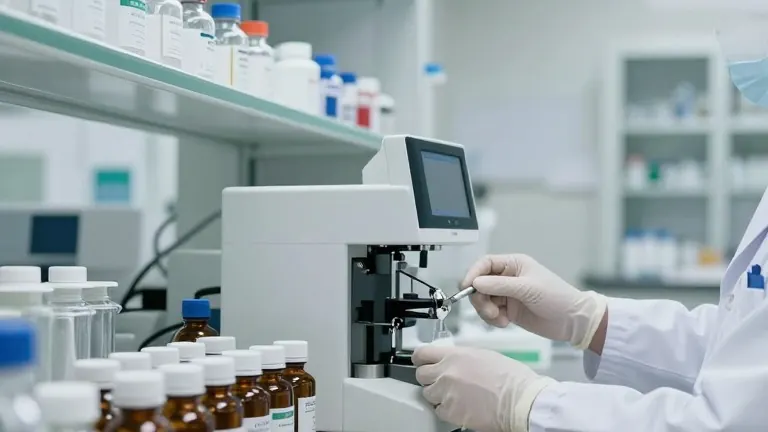
The Department of Health and Human Services will decline to enforce the federal ban on six peptides when they are produced by small compounding pharmacies, a policy announced October 28 that Health Secretary Robert F. Kennedy Jr. authorized. The peptides have never cleared the Food and Drug Administration's drug approval process, and the agency's own scientists advised against relaxing restrictions on them at a July advisory panel meeting.
The six compounds and the uses promoted for them are BPC-157 for ulcerative colitis, Epitalon for insomnia, KPV and TB-500 for wound healing, MOTS-c for metabolic health, and Semax for migraine. Evidence supporting their safety and effectiveness is sparse, according to HHS. The policy states that compounding offers a safer route than the unregulated research-use-only peptides sold online by overseas suppliers.
The decision reaches only 503A compounding pharmacies, the smaller licensed operations. It does not extend to 503B outsourcing facilities, which manufacture at higher volume. Joshua Fritzler, president of Olympia and Wesley Pharmaceuticals in central Florida, said his company will run peptide production through its smaller facility, and only in limited amounts. "We won't be able to meet demand," Fritzler said, adding that Olympia will likely compound just one of the six and must prepare the facility first. "I don't think all the [503]As in the country could meet the demand."
Scott Brunner, chief executive of the Alliance for Pharmacy Compounding, called the policy a "more accountable alternative" for patients who currently buy gray market peptides, noting in a statement that it places the products under pharmacy standards, regulatory oversight and serious adverse event reporting. He also said dispensing will not begin immediately. Ingredient suppliers must first confirm their active ingredients meet the policy's requirements, and pharmacies must verify that as well.
Public Citizen, a consumer advocacy nonprofit, said Kennedy appears to have acted outside the usual rulemaking process. "By allowing unproven and potentially unsafe peptides to be manufactured, marketed and prescribed without concern about potential federal enforcement actions, Kennedy has undermined the FDA and threatened public health," Dr. Robert Steinbrook, director of the group's Health Research Group, wrote in a statement. He advised clinicians to discuss contamination risks and other adverse effects with patients.
The Partnership for Safe Medicines, a coalition of pharmacy organizations, filed a citizen petition last week urging the FDA to follow the advice of its own scientists rather than the July advisory committee vote that favored expanded access. Executive director Shabbir Safda said the policy leaves Americans uncertain about the compounds' safety. "Today's decision leaves Americans in a grey area as to whether peptides are safe or not, even though the FDA's own scientists recommended against voting in favor of these substances due to concerns with evidence," Safda wrote in a statement.
Source: WFAE