Federal court vacates Justice Department's voter data collection policy
A ruling on October 9, 2026, stops the federal government from gathering state voter rolls, a move that had drawn 31 separate lawsuits from the administration.
By Justin Brooks ·
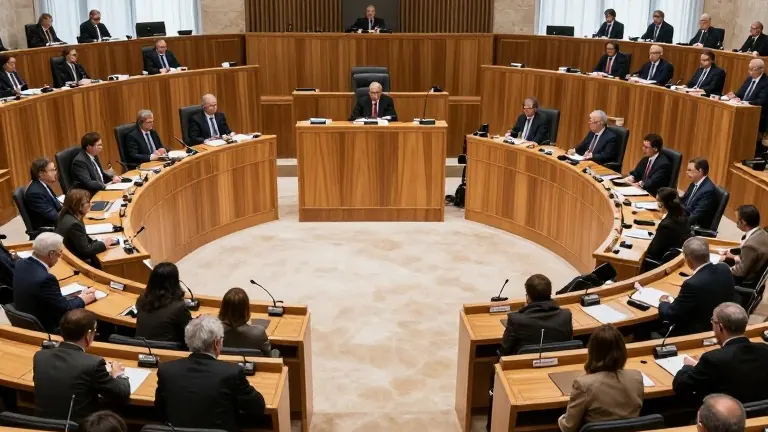
A federal district court ruled on October 9, 2026, that the Justice Department exceeded its legal authority when it demanded voter records from the states. The court found the policy to be arbitrary and capricious, a determination that vacates the program nationwide. This decision stops the department from using the data it has already collected from voluntary states and prevents it from compelling reluctant states to hand over their files. The Justice Department has filed an appeal with the U.S. Court of Appeals for the D.C. Circuit.
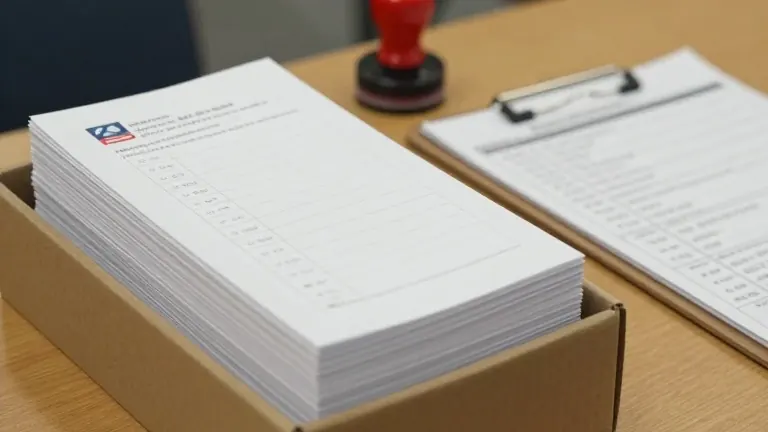
The Trump administration began gathering millions of state voter records this year for law enforcement purposes. Officials stated they were looking for noncitizens illegally registered to vote. A tally by the State Democracy Research Initiative at the University of Wisconsin-Madison counts 31 federal lawsuits filed by the administration to secure this data. Most states refused to comply, citing state privacy laws and the Constitution, which assigns election administration to state governments.
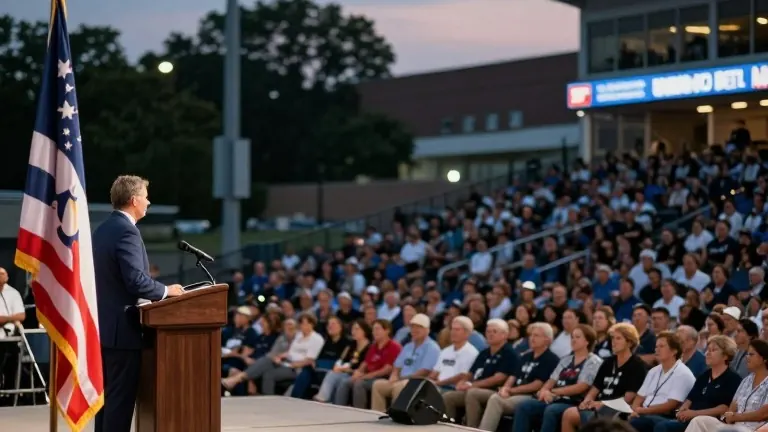
Democratic lawmakers and their legal teams formed an election protection task force to coordinate a response. The group includes congressional staff, election litigators, and nonpartisan organizations. They aim to prepare state and local officials for potential challenges to the November results. Justin Vail, a leader at Protect Democracy, described the administration's strategy as a three-step process to deceive, disrupt, and deny election outcomes. He noted that the president has used public speeches to question the integrity of upcoming midterms.
Marc Elias, an election litigator and task force member, said his firm has engaged in dozens of lawsuits across every state. He described the effort as a continuum, starting with voter registration and ending with the seating of officials. His team has challenged the administration's attempts to insert the executive branch into state-led processes. One major legal battle centered on mail-in ballots, where the administration ordered the Postal Service to deliver ballots only to registered voters, a move the Supreme Court ultimately halted.
Congress is using oversight tools to monitor the process. For the first time, the Senate will run an election observer program alongside the existing House program. More than 100 staff members have agreed to participate, according to Senate Democratic Majority Leader Chuck Schumer and Sen. Edward Markey. These observers will watch voting and tabulation sites to inform lawmakers and prepare for contested results. They will not count votes or interact with voters.
The administration's legal posture rests on the claim that states act as agents for the federal government in counting votes. President Trump wrote on Truth Social in August that states must do what the federal government tells them to do. Multiple election law experts disagree, noting that the Constitution explicitly delegates election administration to states and Congress. The task force members have prewritten legal briefs and contact lists for high-risk areas, including California, Illinois, and New York, where they expect results may be close or slow to count.
Source: WFAE