Democrats Seize Congress After Redistricting Fails to Hold GOP Edge
Voters rejected Republican redrawing efforts and elected a new majority as costs of living and the Iran war drove a surge for change.
By Justin Brooks ·
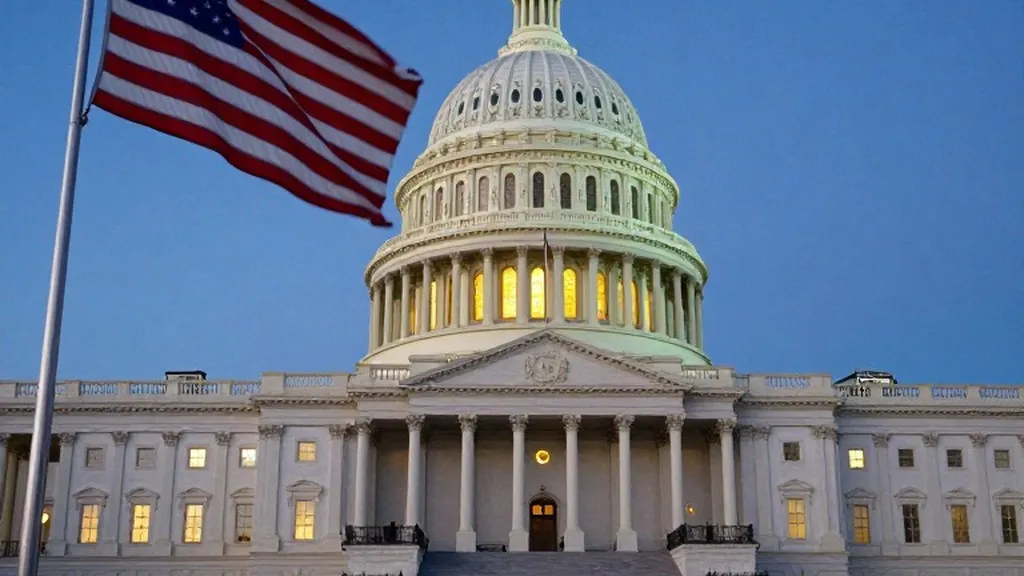
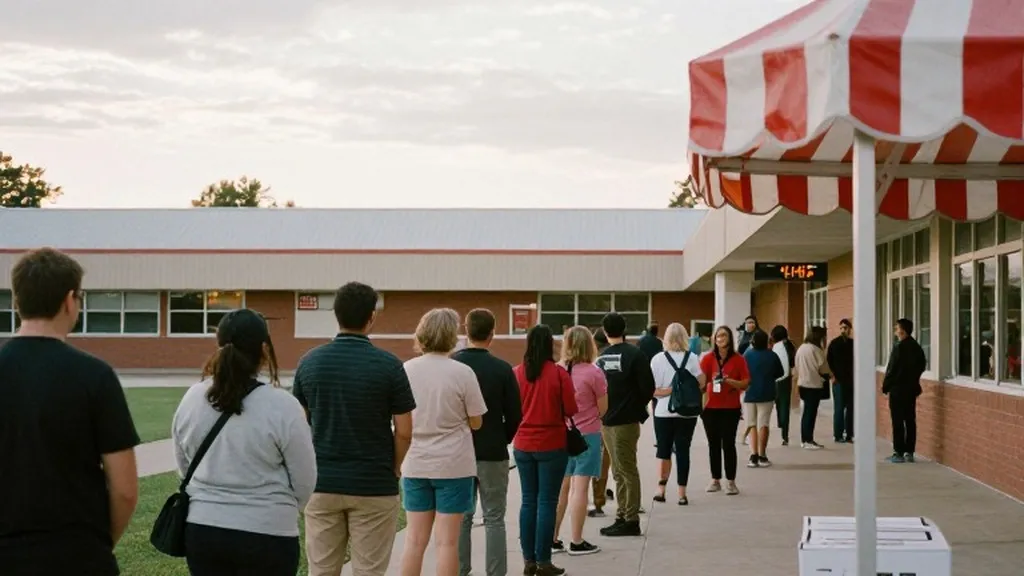
Washington, AP. Democratic candidates took control of both chambers of Congress on Tuesday, overturning a redistricting strategy that President Donald Trump and party leaders had hoped would secure a Republican edge in the House. The Associated Press reports that Democrats won 227 House seats and 20 Senate seats, a decisive shift that ends two years of unified Republican control. The results reflect a nationwide surge fueled by voter dissatisfaction with the president, the economy, and the ongoing war with Iran.
The Republican redistricting plan, which involved redrawing boundaries in eight states, ultimately fell short. Former Attorney General Eric Holder, chair of the National Democratic Redistricting Committee, stated that the plan was systematically dismantled. He noted that voters chose to elect a new Democratic majority despite the engineered advantages. The AP Voter Poll found that about six in 10 voters disapprove of how Trump is handling the presidency, a sentiment that undercut the presumed safety of the newly drawn districts.
In Texas, Republicans reconfigured three heavily Latino districts in the Rio Grande Valley to try to boost their chances of winning more seats. However, Democratic incumbents Henry Cuellar and Vicente Gonzalez won reelection, while Republicans lost a neighboring seat. Mark Jones, a political science professor at Rice University, said Republicans had unrealistic assumptions about a shift in Latino voting remaining in their favor. The AP Voter Poll indicates a substantial shift of Hispanics moving away from Republicans compared to the previous election cycle.
Florida also saw the redistricting effort fail to dislodge Democratic incumbents. Representative Jared Moskowitz won reelection in a newly drawn district, stating that voters were concerned about the economy and their ability to afford a good quality of life. He noted that his opponents spent $26 million trying to beat him. Kathy Castor and Pia Dandiya also won in districts that Republicans had reshaped for an advantage, further eroding the GOP's projected gains in the state.
The cost of living was a central theme for Democratic candidates, who vowed to tackle high prices for gas, groceries, and other goods. House Democratic Leader Hakeem Jeffries, who is expected to become the first Black speaker of the House, pledged to deliver on the dramatic change voters demanded. He emphasized a 100-day agenda that includes reversing cuts to the Affordable Care Act and Medicaid healthcare programs. Jeffries said the party is ready to hold the administration accountable through a robust oversight agenda.
Voters also expressed strong disapproval of the war in Iran, with the AP Voter Poll showing that about six in 10 said the U.S. made the wrong decision in taking military action against Iran. Vice President JD Vance publicly broke from Trump's defense of the war, blaming the conflict for the Republican losses. Trump, however, continued to justify the war during a visit to the White House ballroom construction site, where he told reporters that the Iran situation had to be addressed. He acknowledged that the war impacted the midterm elections but maintained that his party's candidates did not receive enough support from his base.
The Senate race results showed a significant shift in party control, with Democrats gaining seven seats from Republicans. Decision Desk HQ projected that Democrats would win control of the Senate, a result that was confirmed as calls came in from states including South Carolina and Kansas. These wins were particularly notable because those states had not elected a Democratic senator since 1932. The new Democratic majority in the Senate will provide a stronger check on the president's agenda and judicial appointments.
The Republican Party now faces a reckoning as House Speaker Mike Johnson will not seek reelection as party leader. Trump attempted to deflect blame for the losses, stating that he was not on the ballot and that voters simply did not like the candidates. An Associated Press analysis found that Trump used the phrase pretend I'm on the ballot in at least 40 instances during his recent campaign rallies. Despite his efforts to distance himself from the defeat, the AP Voter Poll suggests that his approval rating was a drag on Republican candidates in key battleground states.
Democrats are now positioned to reassert Congress as a coequal branch of government, with wide margins in both the House and the Senate. Senate Democratic Leader Chuck Schumer said that relief is on the way for the American people, highlighting the party's focus on economic pressures and the direction of the country. The new Congress will begin its work on January 3, 2027, with a mandate to address the issues that drove voters to the polls this Tuesday.
The election results also marked a significant gain in governorships, with Democrats winning 22 of the 36 races on the ballot according to Ballotpedia. This gives Democrats a majority of governorships for the first time in two decades, allowing them to put up a stronger defense against the president's second-term agenda. The combined control of Congress and a majority of statehouses provides the Democratic Party with a comprehensive platform to implement the changes that voters demanded on election night.