Charlotte extends data center freeze through October 2027
Council votes unanimously to pause new facility approvals, citing ongoing studies on water, power, and noise impacts.
By Justin Brooks ·
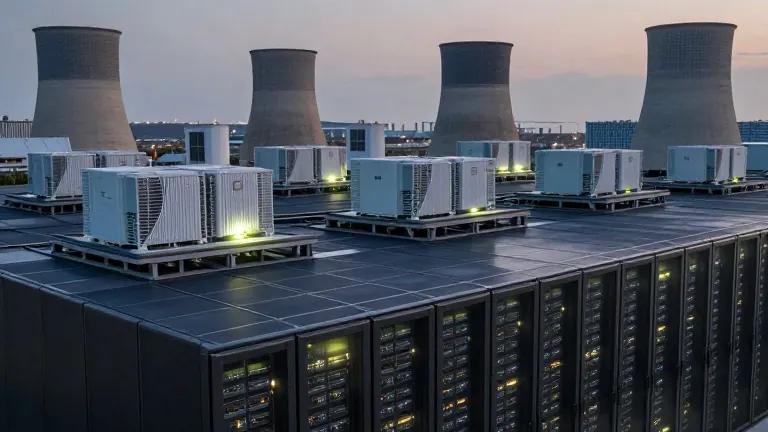
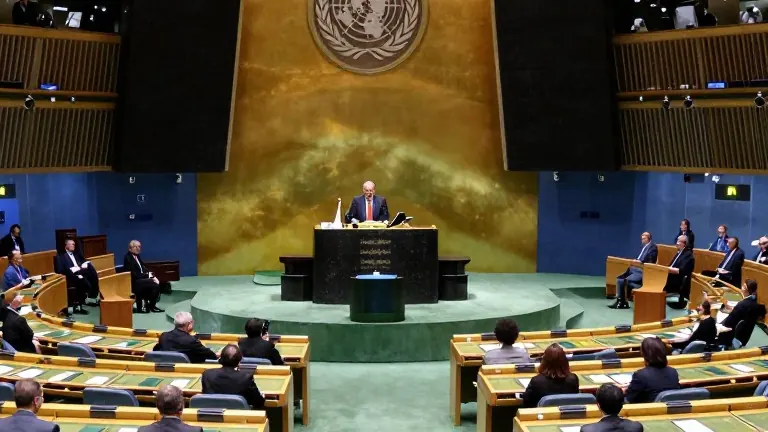
Charlotte City Council extended the city's temporary ban on new data center construction on Monday.
The unanimous vote pushes the deadline back to October 18, 2027. This change delays the original expiration date of November 5, 2026, by nearly 11 months. Officials aim to use this window to finalize regulations for future projects.
The initial moratorium began on June 8. It was a 150-day pause on the acceptance and approval of applications for new telecommunications and data storage facilities. Staff recommended the recent extension after identifying specific concerns regarding electricity demand and water consumption. They also flagged issues with noise, heat, lighting, and potential pollution. A key part of the review involves determining if current zoning rules properly account for varying facility sizes.
To support this regulatory work, the city commissioned research from the World Resources Institute. They also convened a 19-member community task force and held public engagement sessions. These efforts are designed to gather data before the city sets new standards for developers.
The proposal generated distinct arguments from different groups. Supporters argued that neighborhoods need stronger protections against utility cost increases and environmental strain. Some residents advocated for a longer pause to ensure safeguards were in place. Opponents focused on economic benefits, such as jobs and apprenticeship opportunities. They urged the council to set clear development standards instead of delaying projects indefinitely.
The extension does not create a permanent ban or define final regulations. City officials will continue researching policy options and evaluating their legal authority. Some projects remain exempt under state law or existing approvals.
The council will now proceed with its research phase while monitoring the legal landscape for these large-scale facilities.
Source: WBT