ASEAN firms seek edge through linked supply chains and green tech
Companies are connecting regional logistics with local adaptations to meet new EU carbon rules and diverse market needs across Southeast Asia.
By Maya Morris ·
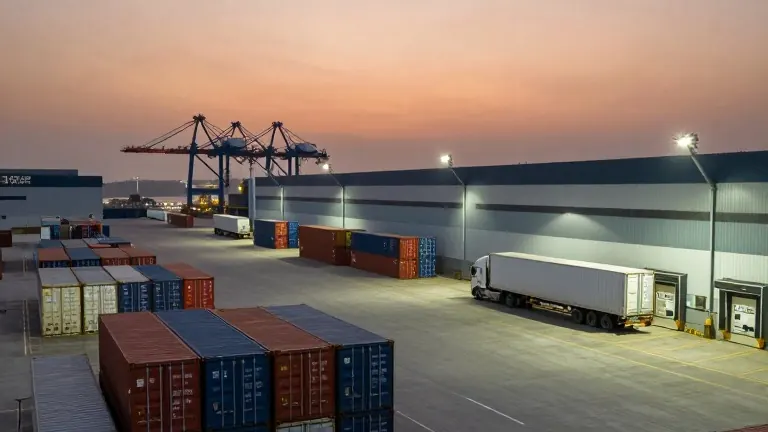
Businesses operating in Southeast Asia are restructuring their supply chains to handle wider regional connections. This shift aims to improve efficiency while addressing the specific requirements of individual countries. The move comes as markets within the Association of Southeast Asian Nations become more integrated through digital tools and increased investment.
SCG International, a sourcing and distribution partner, is applying this strategy across its materials, chemicals, and packaging divisions. The company states that regional integration, low-carbon innovation, and collaboration are its three priority areas. Thammasak Sethaudom, president and CEO of SCG, said the goal is to optimize capabilities across the region while staying connected to local markets.
The economic gaps within ASEAN make a one-size-fits-all approach difficult. The World Bank reported that Singapore’s GDP per capita was around 36 times that of Cambodia in 2024. This disparity means companies must coordinate production at a regional level but make decisions locally to match customer needs.
SCG’s logistics venture, SCGJWD, uses shared infrastructure and regional transport networks to adapt services to specific locations. In Indonesia, a joint venture called SCG Barito links road transport with inter-island shipping to move goods across the archipelago. In Malaysia, SCG partnered with Swift Haulage to build Swift Cold Chain, a 10,000-pallet cold-storage facility in Shah Alam designed for temperature-controlled logistics.
Environmental regulations are also driving operational changes. The European Union’s Carbon Border Adjustment Mechanism became fully effective in 2026. It imposes carbon requirements on imports of cement, fertilizer, steel, hydrogen, iron, and aluminum. Exporters must now adjust production methods to remain commercially viable in European markets.
Sethaudom described sustainability as a source of competitiveness rather than just a compliance exercise. In Vietnam, SCG Décor’s subsidiary PRIME GROUP installed a biomass gasifier at its Pho Yen tile factory. This equipment replaces part of the coal used for thermal energy with biomass, reducing the carbon footprint of the manufacturing process.
Local projects are testing how waste and energy systems can be repurposed. In Thailand, SCG supports the Saraburi Sandbox, a public-private partnership aimed at decarbonizing local industry. In Sukabumi, Indonesia, the company is working with local authorities on a refuse-derived fuel project. This initiative explores using processed municipal waste as fuel in cement production.
These initiatives show how regional scale can be combined with local knowledge. The projects address specific manufacturing and energy challenges without assuming a single model will work everywhere. Companies are using these connections to shape their operations in a more integrated and lower-carbon economic environment.
Source: CNN
More Business · Rip-Off Report · Report a business · Got a Story?