Serbia's new leaders face domestic first
Experts predict a slow shift in foreign policy as the new government focuses on internal reforms after 14 years of authoritarian rule.
By Maya Morris ·
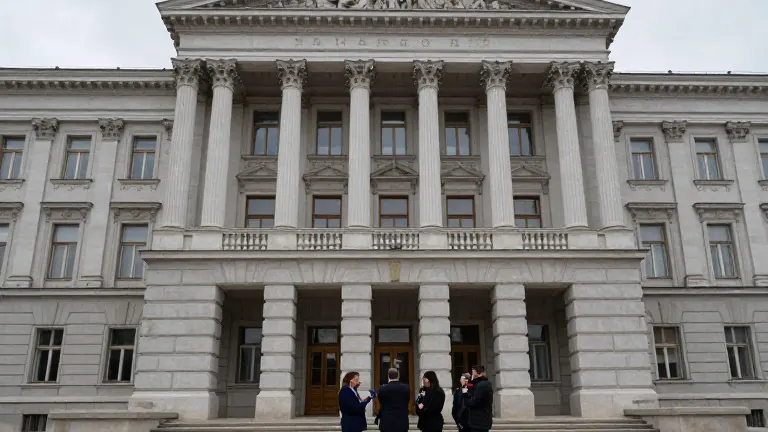
Sunday’s election ended Aleksandar Vucic’s 14-year grip on Serbia. The opposition Student List secured a historic victory, breaking the dominance of the Serbian Progressive Party. As Belgrade prepares for a turbulent transition and December’s presidential vote, neighbors and international observers are watching closely.
Analysts say the new government will prioritize domestic cleanup before adjusting its external stance. Aleksandar Popov, director of the Centre for Regionalism in Novi Sad, stated that regional relations will not be immediate agenda items. The new authorities must first address a system that has captured democratic institutions, including the judiciary, police, and media.
Popov described the process as tidying up at home before solving problems with neighbors. He noted that relations with Croatia, Montenegro, and Bosnia and Herzegovina remain frayed. Vucic’s nationalistic rhetoric often strained these ties, and the outgoing regime actively undermined regional cooperation. Popov argued that a new government led by experts and civic leaders aims to stabilize the region and revive Serbia’s hopes of joining the European Union.
Beyond the Balkans, Serbia’s relationship with Russia will shift but not drastically. Vuk Vuksanovic, a lecturer at King’s College London, predicted that foreign policy structures will remain largely intact. He noted that Moscow viewed Vucic as the devil they knew, and while Russian influence will wane, a hawkish stance is unlikely. Serbia still needs preferential gas prices and maintains a policy of not recognizing Ukraine’s annexation of Crimea and Donbas.
Serbia’s ties with Israel will also face scrutiny. Bosko Jaksic, a foreign policy analyst, said the new government will re-examine recent contracts, particularly those involving Serbian ammunition exports and Israeli surveillance equipment. He noted that Netanyahu’s government lost a key authoritarian ally in Europe. The future of these ties depends partly on Israel’s own upcoming elections.
The new leadership plans to re-evaluate Serbia’s strategy of balancing between global powers. Jaksic suggested this approach brought more harm than good and that strengthening EU ties is realistic. Experts agree that Serbia will undergo intense internal reform rather than sudden geopolitical realignments.
Source: Al Jazeera