Sedona shop owner warns of $100 lab-grown stones sold as natural gems
Buyers are urged to ask for mine names and perform simple physical tests to distinguish real crystals from plastic or glass imitations.
By Nicholas James ·
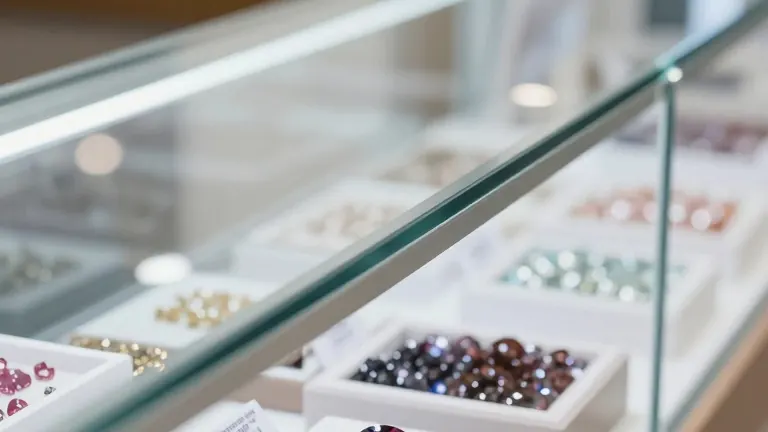
Jamie Inglett, who operates a crystal shop in Sedona, Arizona, recently displayed a lab-grown stone purchased from a local store for more than $100. The same type of crystal is available online for between $5 and $20. Inglett told the public that consumers are likely to find these imitations in physical stores and at gem shows.
The surge in crystal sales is tied to a massive increase in social media engagement. The hashtag #crystals has accumulated 20 billion views on TikTok. Inglett, who has 215,106 followers on Instagram, opened her physical storefront after building an online audience. She noted that buyers do not need to believe in crystal healing to value the aesthetic appeal of the stones.
Shannon Wimberly, a collector who has purchased crystals for several years, confirmed that she has bought fake items in the past. She said she now examines her purchases more closely to avoid repeat mistakes. Inglett explained that sellers often pass off lab-grown crystals as natural formations. She added that other items on the market are made entirely from synthetic materials like plastic or glass.
Inglett advises buyers to ask vendors specific questions about the origin of the stone. She said sellers should be able to name the country of origin or the specific mine. If a seller cannot provide this information, buyers should be cautious.
Physical examination can also reveal fakes. According to Inglett, glass imitations produce a different sound when tapped and do not feel cold to the touch. She also pointed to unnatural dye patterns as a sign of a fake. For fake moldavite, she said the stone lacks natural grooves and appears too uniform in shape.
Inglett said she has no issue with lab-grown crystals being sold, provided the seller discloses their origin. She emphasized that transparency is the primary way for buyers to make informed decisions.
Source: WBTV
More Business · Rip-Off Report · Report a business · Got a Story?