Russian strike on Zaporizhzhia aid center kills 24 as ceasefire ends
The attack in Komyshuvakha coincided with the expiration of a temporary truce in Kherson and a series of drone strikes across the south.
By Nicholas James ·
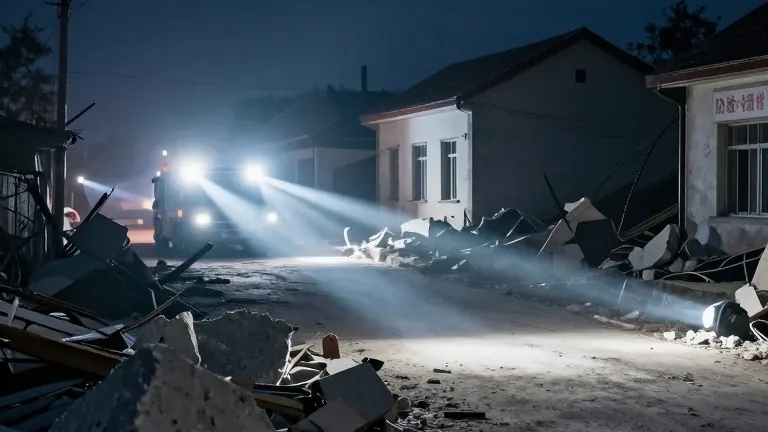
Russian forces dropped guided bombs on a humanitarian aid distribution center and a nearby shelter in the village of Komyshuvakha, Ukraine, killing at least 24 people on Monday. The strike occurred in the Zaporizhzhia region, a zone that had seen relative quiet compared to other front lines. Ukrainian President Volodymyr Zelenskyy stated that ten guided bombs targeted the area, which included a school building repurposed for aid distribution.
The timing of the attack aligned with the expiration of a limited ceasefire in the separate Kherson region. That truce, which began on Oct. 27, allowed for the movement of humanitarian aid and evacuation missions into Russian-occupied territories. Zelenskyy characterized the bombing as evidence that Russia does not intend to reduce hostilities. He noted that the killings sent a signal opposite to the potential progress suggested by the recent pause in fighting.
Emergency services reported that approximately 20 people remained missing after the strike. Local officials indicated the death toll could increase as crews continue to search the rubble. Nighttime conditions complicated rescue efforts because Russian drones launched additional attacks over the site. Mykhailo Semikin, a military official in Zaporizhzhia, confirmed that the secondary drone strikes hindered the work of rescue teams on the ground.
The incident was part of a wider pattern of aerial activity across Ukraine. Authorities reported multiple drone attacks in other areas that injured at least 17 people. In the eastern Kharkiv region, strikes damaged a refrigeration facility, greenhouses, and residential buildings, injuring 12 individuals. The Black Sea port city of Odesa also came under attack, where a warehouse was hit and homes were damaged, resulting in five injuries.
Simultaneously, digital infrastructure in both Ukraine and Russia faced cyber interference. Residents in both countries received false emergency alerts through government mobile applications. The Ukrainian system, which is a primary tool for missile warning, was suspended temporarily after hackers inserted messages claiming nuclear threats and chemical attacks. The alerts were written in English, Russian, and Ukrainian, with the English versions containing grammatical errors.
One specific message sent to Ukrainian users referenced the Oreshnik ballistic missile, stating it was incoming. A Russian Telegram channel linked to security services claimed a hacking group named Hitcore was responsible for the breach of the Ukrainian system. Analysts have not independently verified this claim, and the specific motivations of the hackers remain unclear. In Russia, the Emergency Situations Ministry reported that false alerts were sent at 2:45 a.m. Moscow time on Monday across 33 of the country's 89 regions.
Russian officials said the wider public alert system, which includes SMS messages and municipal sirens, continued to function normally despite the app failure. Kremlin spokesperson Dmitry Peskov stated that government bodies must improve the cybersecurity of their digital resources. Yurii Ihnat, a spokesman for the Ukrainian air force command, said the cyberattack did not impact security or defense operations. He urged the public to monitor alternative emergency channels on social media.
Ukraine’s general staff reported that Russian forces used the ceasefire in Kherson to strengthen drone defenses and replenish ammunition supplies. The truce in the Oleshky area marked the most substantial pause in fighting since the start of the full-scale invasion nearly five years ago. Russia’s Ministry of Defense said its forces shot down 212 Ukrainian drones overnight. Independent media reported that these drones targeted an oil transport hub in the Samara region, prompting local air defense responses.
Source: WPTF