Lula Claims Fourth Term After Vote Extension Sparks Dispute
The 80-year-old leftist won 51 percent of the vote in a runoff that was complicated by a late extension and accusations of irregularities.
By Maya Morris ·
Luiz Inacio Lula da Silva secured a record fourth non-consecutive term as Brazil’s president after winning 51 percent of the vote in Sunday’s runoff. He defeated Senator Flavio Bolsonaro, who received 48 percent, in a contest that remained tight until the final hours. Electoral authorities declared Lula the winner once 98.76 percent of ballots had been counted, a result that cements his return to the top office after a brief period in opposition.
The victory marks a rare comeback in modern Brazilian history. No presidential candidate has previously won a runoff after finishing second in the first round. Lula trailed Bolsonaro by 2.2 million votes, or 1.87 percentage points, in the October 4 first-round vote. Polls indicated a virtual tie in the days leading up to the final election, keeping the outcome uncertain until late Sunday night. Results from the northeast, a traditional stronghold for Lula’s Workers Party, provided the margin needed for his victory.
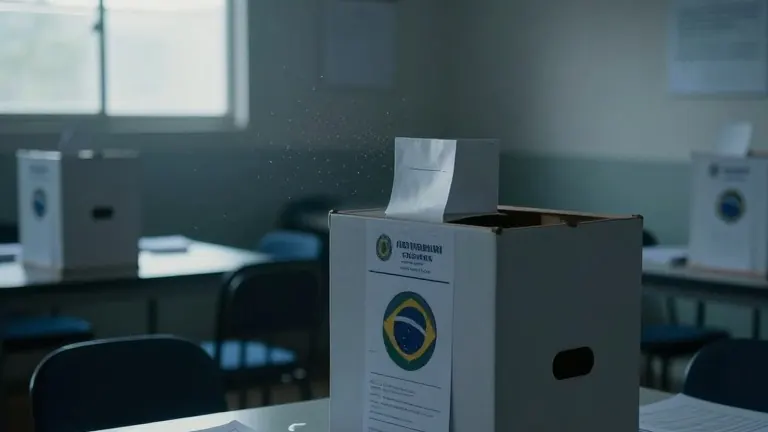
The election process was disrupted by a late decision to extend voting hours. Supreme Court Justice Cristiano Zanin ordered polling stations to remain open until 7 p.m. Brasilia time, two hours longer than the original 5 p.m. deadline. Both campaigns had requested the extension, citing different reasons. Lula’s team argued that local officials cut public transport in several cities, hindering access for lower-income voters. Bolsonaro’s campaign pointed to heavy rain and flooding as the primary cause of delays.
The extension created confusion at the polls. Some stations had already shut down their machines when the order arrived. Zanin later clarified that closed stations would remain closed, but many voters were turned away despite the new deadline. In Minas Gerais, regional courts reported that 349 polling locations lost power, though voting machines continued to function on backup batteries. Bolsonaro has pledged to annul the vote, accusing Zanin of judicial malfeasance and changing the rules mid-game.
Turnout appears to have influenced the final margin. Andrei Roman, head of polling firm AtlasIntel, noted a drop in abstention as a factor in Lula’s win. An estimated 33.4 million Brazilians, or 21 percent of the electorate, stayed home during the first round. This was the highest abstention rate in a general election since 1998. Lula also made final pitches to his working-class base, including a promise to pursue free public transport on weekends.
The result impacts diplomatic relations between Brazil and the United States. Reuters reported that State Department officials had discussed sanctions against Brazil to weaken Lula’s position. US President Donald Trump said on Sunday that he was watching the situation closely but did not specify a preferred outcome. Lula’s campaign focused on defending sovereignty against external interference, citing Trump’s tariffs and comments on the former president’s trial.
In his victory speech, Lula stated that the election was a defeat for denialism and lies. He emphasized the need to overcome interference coming from outside. The Federal Police are investigating alleged transport disruptions in five states, while a court in Salvador ordered the arrest of the city’s transport secretary over claims he directed bus service cuts.
Source: Al Jazeera
More Business · World news · Rip-Off Report · Report a business · Got a Story?