Japan and U.S. plan joint missile assembly plant in Japan
Defense officials in Cebu agreed to build a facility for AMRAAM production, citing the need for faster alliance response capabilities.
By Justin Brooks ·
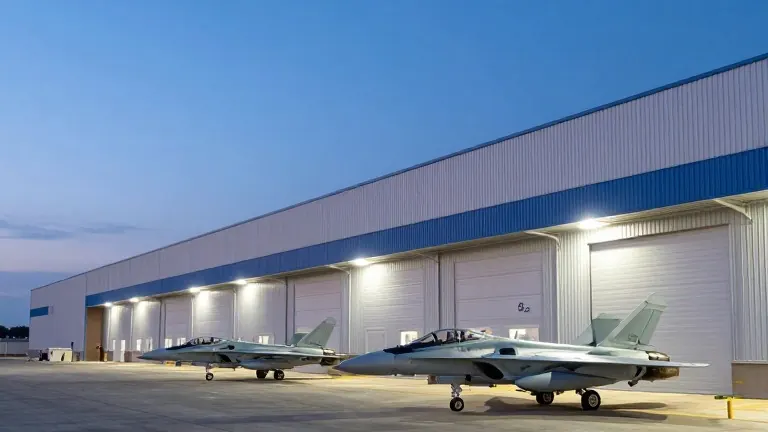
American and Japanese military aircraft will gain access to domestically produced missiles under a new agreement announced Wednesday night. The two nations agreed to establish a final assembly and inspection plant in Japan for the Advanced Medium-Range Air-to-Air Missile. This facility will serve the F-35 fighter jets operated by both air forces.
Japanese Defense Minister Shinjiro Koizumi made the announcement during a news conference in Cebu, Philippines. He met with U.S. Defense Secretary Pete Hegseth on the sidelines of an annual defense gathering. The event brings together Southeast Asian defense chiefs with their counterparts from Asia and the West.
The project is part of a joint initiative labeled Operation Supercharge. Koizumi stated that the missiles are essential for the F-35 aircraft. The U.S. currently manufactures the AMRAAM, and the new Japanese site will handle final assembly and inspection.
Koizumi expressed urgency regarding the regional security environment. He told reporters that he and Hegseth shared a sense of crisis over the situation. The two leaders agreed to strengthen deterrence and response capabilities with greater speed and intensity. They also reaffirmed a commitment to an international order based on the rule of law.
Hegseth addressed ASEAN defense ministers in a separate session on Wednesday. He did not name China directly but described the U.S. approach as strong, quiet, and clear. He said the strategy aims to deter coercion without causing needless escalation. The goal is for partners and adversaries to understand precisely where the United States stands.
Koizumi raised specific concerns about Chinese naval activity on Thursday. He reported that three Chinese destroyers and a coast guard ship crossed the Osumi Strait this week. The fleet moved south of Kyushu and headed east into the Pacific Ocean. His ministry identified this as the first time such a configuration had been spotted in that area.
Australian Defense Minister Richard Marles also spoke on Wednesday. He confirmed that Australian forces will continue defending the rules-based order in the Pacific. He cited a recent incident where a Chinese fighter released flares near an Australian surveillance jet. The Philippines, Vietnam, Malaysia, Brunei, and Taiwan maintain overlapping claims in the South China Sea, where confrontations have increased.
Source: WFAE