Auto Giants Face Billions in Rising Costs
Rising tariffs, fuel prices, and chip costs are squeezing margins for GM, Ford, and Stellantis despite strong truck sales.
By Maya Morris ·
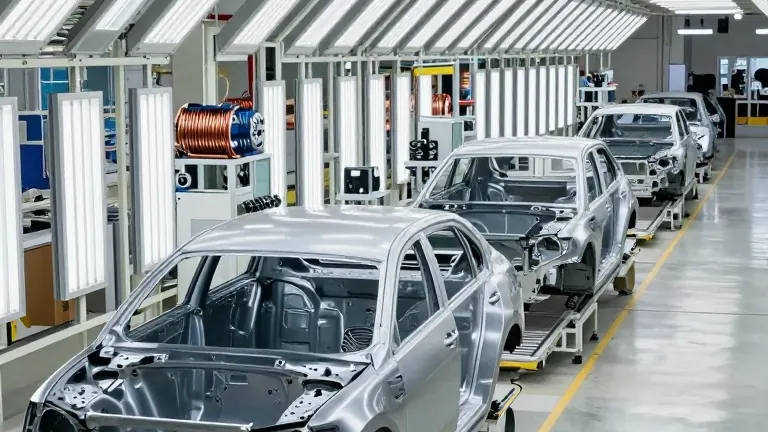
The U.S. auto industry operates on long development cycles, yet it is currently facing rapid shifts in input costs. Detroit’s three largest automakers reported third quarter earnings on October 29, revealing that while revenues have increased, manufacturing expenses are climbing sharply.
General Motors, Ford, and Stellantis all posted revenue gains for the year. GM reported a 2.9% increase, Ford saw a 2% rise, and Stellantis recorded a 1% growth. These figures indicate that consumer demand for large vehicles remains strong. GM sales of light-duty trucks rose 9% compared to the previous year. Stellantis U.S. pickup sales jumped 34%. Ford’s F-Series continues to serve as a top seller for the company.
The average new vehicle transaction price reached just over $50,000 in September. This figure sits near a record high. Customers are paying more for high-end trims and larger vehicles. Sherry Ann House, Ford’s chief financial officer, stated on an investor call that customers have remained resilient despite higher fuel prices, interest rates, and inflation.
However, the cost to build these vehicles is increasing. Steel, copper, and computer chips have all become more expensive. Paul Jacobson, GM’s chief financial officer, warned that high price levels make the coming year challenging. Antonio Filosa, CEO of Stellantis, described higher raw material prices as an industry-wide phenomenon. The Trump administration imposed additional tariffs on imported steel, aluminum, and copper since 2025. Copper costs have risen due to tariffs and global demand for electric vehicle batteries and data centers.
Logistics costs are also driving up expenses. The average price for a gallon of diesel fuel has hovered around $6.35. This price is just below the September all-time high. High diesel prices affect freight costs as vehicles move from factories to dealerships. The U.S. and Canada have intertwined supply chains, meaning parts cross the border multiple times. Higher fuel prices make this movement more expensive.
GM forecast that material and diesel costs would run the company up to $2 billion this year. The company is also paying approximately $2.5 billion in tariff costs. Jim Farley, Ford’s CEO, noted that commodities, memory, and logistics costs represent a year-over-year headwind of about $2 billion for Ford. Executives at Stellantis said they would provide more specific cost information in the fourth quarter.
The electric vehicle sector is experiencing mixed results. The $7,500 federal tax credit for EVs ended on September 30, 2025. Data from Edmunds and Cox Automotive shows that EV sales dropped nationally after the credit was removed. Tesla reported that its global sales fell during the quarter compared to the same period last year. GM sales were down 6% overall, partly due to a smaller EV market.
Despite the drop, EV sales have leveled out after the initial decline. As of September, EVs account for about 6% of new car sales in the U.S. Hybrid sales have risen 27% over the past year. American shoppers are showing greater interest in hybrids due to high fuel prices. Mike Wall, an analyst at Mobility Global, said he sees more movement toward hybrids, with some automakers adjusting product plans. Gas-powered cars still drive the majority of profits for the large companies.
Tesla has regained market share in the U.S. market. Almost 52% of new EV sales in the U.S. have been Teslas this year. Ivan Drury, director of industry insights at Edmunds, said many buyers default to Tesla regardless of other offerings. Elon Musk, Tesla’s CEO, focused on new technologies like robotaxis and humanoid robots during the earnings call. He noted that capital expenditures this year are almost double from last year. Musk also hinted at a potential merger between Tesla and SpaceX, stating that special committees are discussing the idea.
Source: WFAE
More Business · Rip-Off Report · Report a business · Got a Story?