Phoenix artist regains hand control after deep brain stimulation
Bill Daggett resumed woodcarving after receiving electrical pulses to manage Parkinson's tremors.
By Maya Morris ·
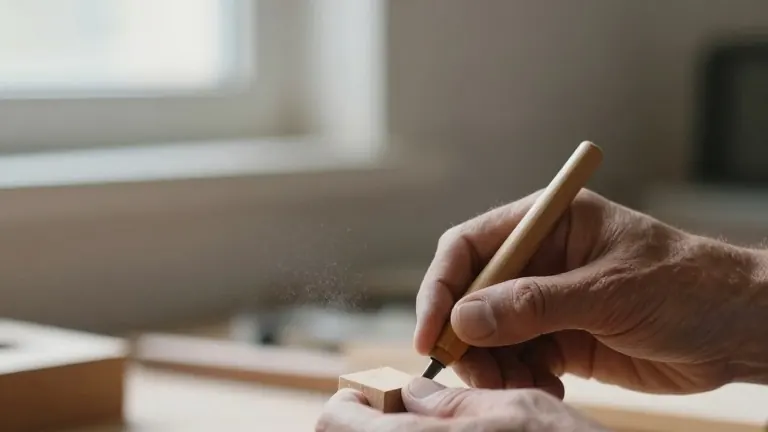
Bill Daggett, a resident of Phoenix, has returned to woodcarving after his hands stopped shaking. The Arizona artist underwent deep brain stimulation, a procedure that uses electrical pulses to alter brain activity. He now carves with steady hands, a capability he lost during the progression of his illness.
Daggett began carving decades ago. His condition worsened until a doctor observed his tremors at an art show. That physician urged him to seek a medical evaluation. He received a diagnosis of Parkinson's disease. The symptoms became severe enough to disrupt his daily life. He described struggling with basic tasks. “I couldn't even eat, hardly. I was shaking so bad, and I didn't want to go out anymore. That's part of the depression. You don't want to be seen when you can't hold a fork and get it to your mouth,” Daggett said.
Medication failed to control his symptoms. Daggett then selected deep brain stimulation as a treatment option. The therapy targets specific areas of the brain to interrupt the signals causing tremors. Sam Cradduck, a gerontologist, explained the mechanics of the procedure. He described the device as similar to a cardiac pacemaker. “What they did was basically give his brain a pacemaker. You know, we're kind of accustomed to the thought of a pacemaker helping a heart keep rhythm. But this is a new way to go in and help that brain reset and send those electrical pulses out to give the brain the pacemaker to now reduce those tremors, reduce some of the side effects of the disease and the progression of it,” Cradduck said.
Cradduck emphasized the impact of the treatment on emotional well-being. He noted that physical symptoms often draw more attention than the psychological toll of the disease. Daggett's connection to his craft was central to his identity. The illness threatened to remove that part of his life. “We talk about the physical aspects of disease and aging all the time, but we forget to talk about the emotional loss, and that's where this guy was at. He was so connected with being the artist and being able to create, and the disease was robbing him of that. We see that it's robbing him of physical abilities maybe to eat, but we forget that it's robbing him of a piece of himself,” Cradduck said.
The story aired on “Aging Untold,” a program focused on health and aging. The show is produced by Gray Media Group. The segment serves an educational purpose. It does not constitute medical advice. Individuals with health concerns are advised to consult a licensed physician. The program notes that it does not create a physician-patient relationship with viewers.
Daggett continues to create art in Phoenix. His recovery demonstrates the effects of the implanted device. The electrical pulses manage his tremors. He holds his tools and works with precision. The procedure has restored his ability to engage in his profession. He no longer avoids public settings due to visible shaking.
The therapy reduces the side effects associated with his condition. It helps manage the progression of the disease. Cradduck highlighted the importance of addressing both physical and emotional health. Daggett's case illustrates the potential of deep brain stimulation for patients with Parkinson's. He has reclaimed his creative practice. His hands remain steady during the carving process.
Source: WBTV