Lula’s WhatsApp Army Grew to 11 Million Users in Three Weeks
A coordinated digital campaign led by Congressman André Janones helped reverse a first-round deficit in Brazil’s October presidential election.
By Nicholas James ·
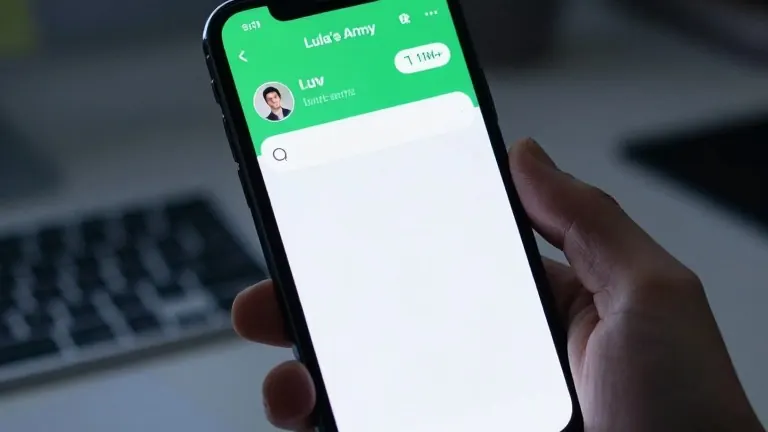
Luiz Inácio Lula da Silva won the Brazilian presidential election on October 25, ending a period of uncertainty that began with his first-round loss on October 4. Analysts attribute part of this comeback to a rapid expansion of a WhatsApp network known as “Lula’s Army,” which grew from 50,000 members to nearly 11 million in three weeks.
The channel was created in April by André Janones, a congressman from Minas Gerais. After the first-round vote, Janones transformed the group into a command center. He issued daily instructions to supporters, who he called “soldiers,” directing them to share specific content, use hashtags, and post photos making the “L” hand gesture in support of the president.
Veridiana Cunha, a 48-year-old copy editor in São Paulo, participated in the campaign during her breaks from work. She checked the WhatsApp channel multiple times a day for new tasks. “I’d edit a text, then go to the army. Edit another text, then go to the army,” Cunha said. The strategy relied on existing supporters rather than undecided voters, a tactic that political analyst Leonardo Magalhães Firmino described as training thousands of small social media managers.
Before this surge, Lula’s campaign had struggled to match the digital presence of Flávio Bolsonaro, the right-wing senator who won the first round. Lucas Fernandes, a political analyst at BMJ Consultores Associados, noted that the right had utilized social media across multiple fronts while the left failed to make that transition. Janones changed that dynamic by using aggressive language and emotionally charged messages, a style he dubbed “cultural Janonism.”
The high-intensity approach raised questions about the quality of political debate. Viktor Chagas, a professor at Fluminense Federal University, said Janones fought the far right with the same resources it uses. He described the method as a form of gamification that created a sense of collective purpose. The strategy also drew criticism for spreading manipulated content, including an image of soccer star Ronaldo wearing a jersey with Lula’s ballot number, 13.
A supreme court judge briefly ordered the suspension of the WhatsApp group on October 11 after a complaint from Bolsonaro’s campaign alleged disinformation. The decision was overturned later. Despite these challenges, the mobilization continued. Janones told members to rest only if they could find a substitute, writing on October 17 that they should pass the cell phone to the replacement and return in ten minutes.
Cunha said the campaign helped her cope with the serious illness of her mother, who had not voted in the first round. She reported persuading a friend who was planning to abstain to go to the polls and vote for Lula. “I managed to change a vote,” she said. Firmino stated that without the organized militancy provided by Janones, the comeback likely would not have happened.
Source: CNN