Argo Space loses power on first mission due to solar panel failure
The water-fueled spacecraft built by former SpaceX engineers could not test its propulsion system after one array failed to open in orbit.
By Nicholas James ·
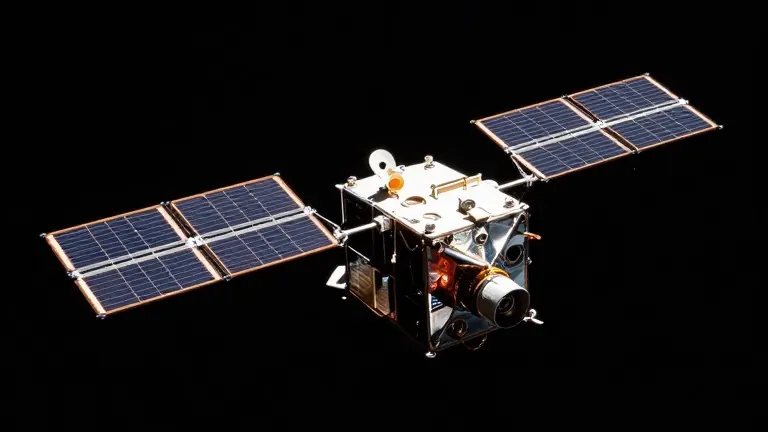
Argo Space's first spacecraft, named Navigator, lost its primary power source in orbit last month. The vehicle went power-negative after one of two solar arrays failed to deploy during its initial demonstration mission in July. Because the remaining system could not generate enough electricity, engineers could not test the water-based propulsion unit. The spacecraft continued to drain its battery while controllers gathered diagnostic data.
The company was founded in late 2022 by Robert, Ryan, and Kirby Carlisle. The three brothers are engineers who worked at SpaceX during the Falcon 9 era. They helped launch, refurbish, and sell rockets before deciding to build spacecraft for their own venture. Argo Space focuses on in-space infrastructure and transportation rather than building launch vehicles.
The company relies on water as its primary propellant. Robert Carlisle stated that the business model is based on this specific resource. Water is found throughout the solar system and could potentially be harvested from the Moon. This availability is central to their plan for a transportation network connecting low-Earth orbit, geostationary orbit, and lunar destinations.
Using water serves multiple functions for the spacecraft. It acts as a propellant, a coolant, and a radiation shield. The design cools components including thrusters and avionics with water. This approach increases the propellant mass fraction, allowing the vehicle to carry more fuel and travel farther. The company aims to create affordable logistics options for satellite resupply, repair, and redeployment.
"In the long run, this water-based transportation will give us a commercial incentive, a profit motive to go harvest it from the Moon’s shallower gravity well," Robert Carlisle said in an interview. The strategy aims to reduce dependence on propellants brought from Earth.
The Navigator mission flew on a Falcon 9 rideshare vehicle. Controllers established contact with the spacecraft shortly after launch. They spent approximately 12 hours troubleshooting the deployment issue and assessing the vehicle's health. The power deficit prevented a full test of the propulsion system.
The company continues to monitor the spacecraft's condition. The next phase of the mission schedule depends on the results of the diagnostic data collected during the initial orbital operations.
Source: Ars Technica